Kitchen Sink Cabinet Leak Check Calgary: Catch Small Problems Before Winter
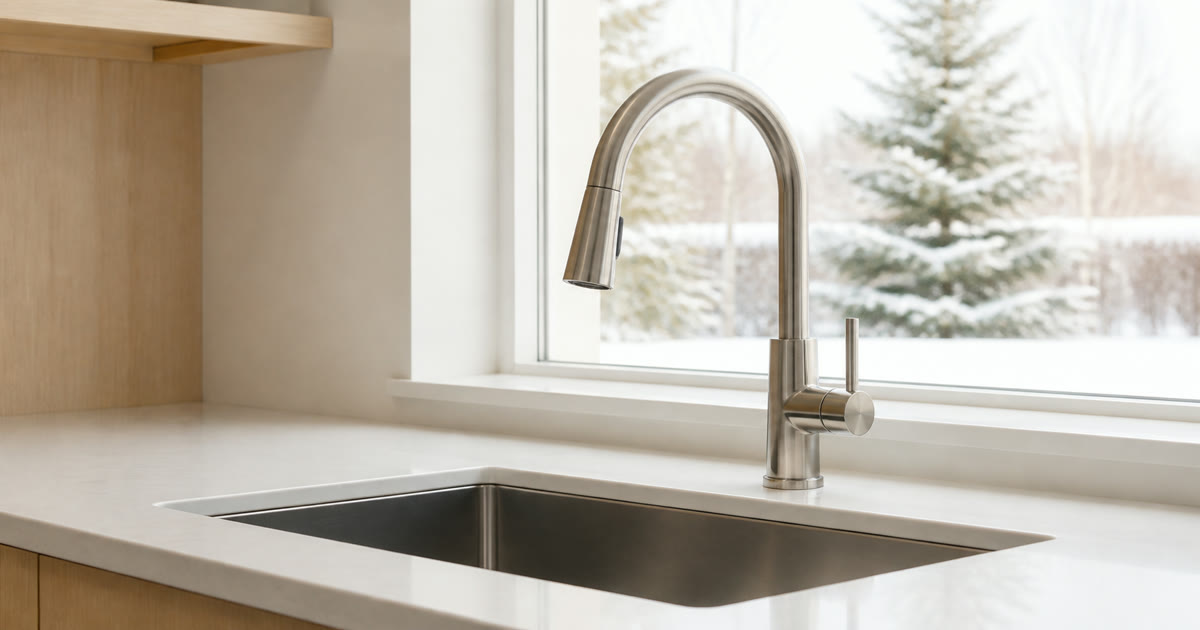
The cabinet under a kitchen sink is easy to ignore—until you pull out a damp cutting board, notice a musty smell, or find a swollen cabinet floor. For Calgary homeowners, a five-minute check in early fall can catch a tiny drip or cold draft before it becomes a disruptive winter repair. It is also a smart addition to a local fall home-maintenance routine.
The City of Calgary advises homeowners to inspect kitchen-sink water lines and dishwasher connections, and to look for leaks in water-using fixtures. This guide shows what you can check safely, what a simple handyman repair may solve, and when to stop before a small problem grows.
Start with a clear, dry cabinet
Take everything out from under the sink: cleaners, bins, towels, and recycling bags. Use a flashlight and a dry paper towel. A clean cabinet makes it much easier to tell an old stain from active moisture.
Look for these first:
- A damp or soft cabinet bottom. Press gently near the back corners and around the pipe openings. Particleboard that feels raised, crumbly, or soft has likely been wet more than once.
- Water marks or white mineral residue. A chalky ring on a fitting can point to a slow seep, even when no drop is falling at that moment.
- A musty smell. It does not prove there is mould, but it is a good reason to find and dry the moisture source promptly.
- Corrosion on metal fittings. Greenish or white buildup around a connection deserves a closer look in older homes.
Do this inspection during daylight if possible, then repeat it after the sink has been used. Many kitchen-sink leaks appear only when the drain is carrying a full basin of water or when the dishwasher runs.
Test the drain without taking anything apart
Place a dry paper towel beneath the drain assembly. Fill the sink partway, then release the water and watch the joints as it drains. Keep hands clear of sharp edges and do not loosen pipes just to test them.
Check these common spots:
- The basket directly below the sink. Water here may show up only while the sink is draining.
- Slip-joint connections. A small drip at a removable drain joint can sometimes be caused by a loose nut or worn washer.
- The curved trap. Look underneath as water passes through. Do not confuse normal condensation with a leak—wipe it dry, run water again, and see whether moisture returns.
- The dishwasher drain hose connection. This is worth checking after a dishwasher cycle, not only after running the tap.
If you find a drip, put a bowl underneath temporarily and avoid filling the sink until it is assessed. Tightening a connection too hard can crack a plastic fitting or damage a washer. A handyman can often diagnose an accessible drain connection, replace a simple washer, or reseat a loose component without turning a small issue into a cabinet replacement.
Check the supply connections carefully
The hot and cold supply lines and their shut-off valves sit near the back of the cabinet. They should be dry to the touch. Wrap a paper towel around each accessible connection and valve stem, then remove it. Any wet spot tells you exactly where to look closer.
Do not force an old shut-off valve. In established Calgary neighbourhoods such as Acadia, Haysboro, and Brentwood, a valve that has not been moved in years can be stiff. If it will not turn easily, leave it alone. Forcing it can create the very leak you were trying to prevent.
If water is spraying, the cabinet floor is actively pooling, or a valve will not stop the flow, turn off the home's main water supply if it is safe to do so and contact the appropriate licensed trade professional. That is beyond routine handyman work.
Why a cold-draft check matters before winter
A cabinet can be dry today and still be vulnerable once a Calgary cold snap arrives. The City identifies kitchen and bathroom cabinets as places where water lines can be exposed to cold drafts. Its guidance includes insulating vulnerable pipes, opening interior cabinet doors so household heat can reach the pipes, and keeping the indoor temperature at least 15°C during cold weather.
With the cabinet empty, look at the holes where pipes pass through the back wall or floor. Feel for a noticeable cold draft around them. In Calgary homes with an exterior-wall kitchen, this is especially important. A small gap around a pipe can let Alberta winter air reach a line that otherwise looks protected.
For this draft check, look for:
- Missing or damaged insulation near accessible pipes.
- Large gaps around pipe penetrations.
- A cabinet against an exterior wall that feels much colder than the room.
- Frozen-food storage, bins, or cleaning bottles packed tightly around pipes, blocking warm room air.
Do not use an open flame, heat gun, or improvised electrical heater inside a cabinet. If you suspect a pipe has frozen, do not keep turning the faucet on and off. A qualified professional can help identify whether the line is frozen, leaking, or simply restricted.
A simple follow-up routine
Once the cabinet is dry and there are no active drips, put it on a small seasonal checklist. City guidance also recommends checking for indoor leaks with the water meter periodically; that can help reveal water use you cannot see under a cabinet.
For most homes, these habits are practical:
- Look under the kitchen sink every few months and after a long trip away.
- Run the dishwasher, then check its connection before putting cabinet contents back.
- Keep the cabinet reasonably clear so a new leak is visible.
- During cold weather, open the cabinet doors if the sink sits on an exterior wall and the space feels unusually cold.
- Deal with a recurring drip promptly instead of adding another towel or tray underneath it.
The City of Calgary's seasonal water checklist and frozen-water-line guidance are useful references for the wider fall routine.
When a handyman is the right call
An accessible loose fitting, worn drain washer, cabinet cleanup, or minor sealing around an opening may be a straightforward handyman job. YOFF can also help homeowners inspect the visible area, identify the source of a small leak, and keep the cabinet dry and usable.
Call for help sooner if the cabinet floor is swelling, the same spot keeps getting wet, water appears inside a wall, or you see damage extending beyond the cabinet. In Calgary and across Alberta, catching that issue early protects more than the sink—it helps protect the flooring, baseboards, and storage around it.
Need a second set of eyes before Calgary winter? YOFF can help with practical handyman service anywhere in Calgary. Request a free quote and we will be clear about whether it is a small accessible repair or needs a different trade.
Rather have YOFF handle it?
We cover handyman and more across Calgary and nearby communities — booked fast, done right. No Fix — No Fee.