
After a Calgary Hailstorm: Homeowner's Damage Checklist
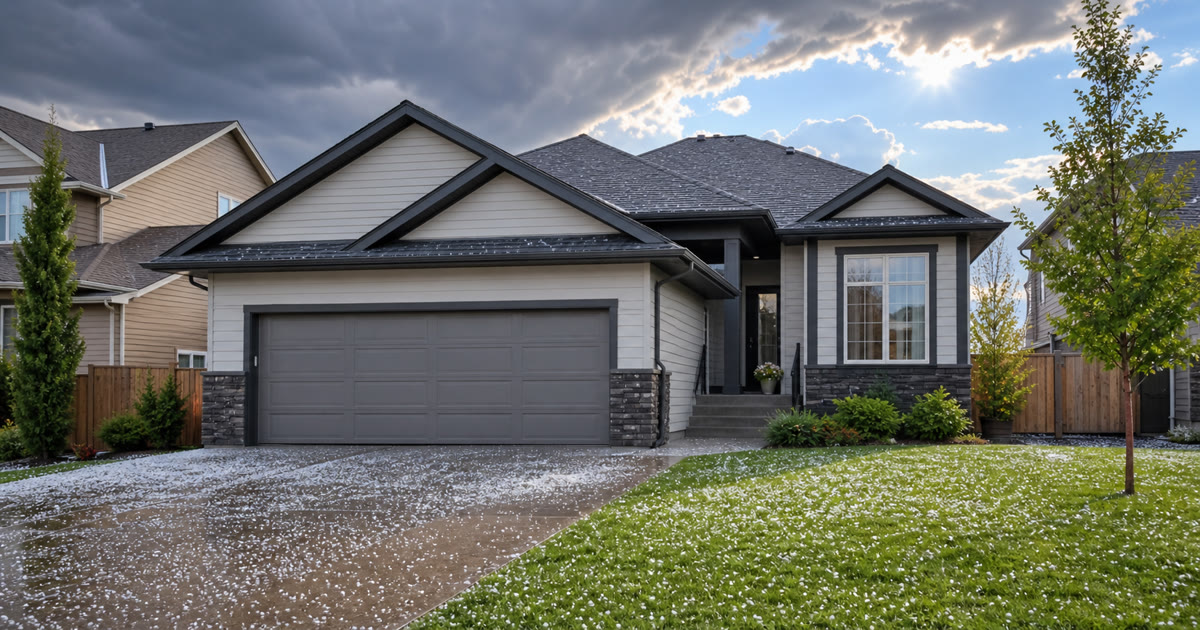
If you've lived in Calgary for more than one summer, you know the sound — the sudden hammering on the roof, ice pellets bouncing off the deck, and that sinking feeling in your stomach. Calgary sits in the middle of "Hail Alley," a stretch of western Canada that sees some of the most frequent and destructive hailstorms in the country. A single afternoon storm can leave behind damage that isn't always obvious from a quick glance at the front yard. Knowing what to check — and what's worth fixing sooner rather than later — can save you thousands down the road.
Why Calgary Gets So Much Hail
Calgary's unique geography sets the stage for hailstorms. On summer afternoons, warm, moist air near the ground is pushed up the slopes of the Rockies' foothills into much colder air aloft, and the result is a thunderstorm factory that fires up again and again over the city and the prairie to the east. Neighbourhoods in northwest Calgary — Tuscany, Bowness, Scenic Acres — often catch the brunt of storms rolling off the foothills. Communities in the northeast like Falconridge and Castleridge get their share from prairie-fed systems. No quadrant of the city is immune. The city has seen billion-dollar hailstorms, including the infamous 2020 storm that smashed windows and shredded siding across Airdrie and northeast Calgary.
The Post-Hail Inspection: Start Outside
Once the hail stops and it's safe to step onto your property, walk the perimeter of your home with a checklist in mind. You don't need a professional for the first pass — just your eyes and a camera to document what you find.
Siding and Exterior Walls
Hail damage on siding shows up differently depending on the material. Vinyl siding — common in neighbourhoods like Evergreen, Somerset, and Cranston — can crack, chip, or show circular impact marks where the hail struck. Look closely at the side of the house that faces the storm — usually west or north here. If your siding is older, even pea-sized hail can cause cracks that let moisture in. HardiePlank or fibre-cement siding holds up better, but inspect for chipped edges and exposed underlayment near rooflines.
Windows and Screens
Windows take a beating in a Calgary hailstorm. Check every pane for cracks — even hairline ones that could spread during the next freeze-thaw cycle. Don't forget basement windows and window wells; they're low to the ground and easy to overlook, especially in older neighbourhoods like Brentwood, Acadia, or Haysboro where below-grade windows are common. Window screens are the canary in the coal mine — torn or dented screens tell you hail was big enough to do damage to other surfaces. Screens are simple to fix, but a cracked pane or sealed unit needs attention fast, before temperature swings spread the crack and moisture gets in.
Gutters, Downspouts, and Eavestroughs
Gutters in Calgary already work hard — spring snowmelt, chinook runoff, summer downpours. Hail adds another layer of punishment. Look for dents along the bottom edge of eavestroughs, sections pulled away from the fascia, and downspouts knocked out of alignment. A dented downspout in a community like Riverbend or Douglasdale isn't just cosmetic — it can trap debris and cause overflow during the next thunderstorm. Broken gutter brackets are a simple handyman fix if you catch them early.
Outdoor Faucets, Hose Bibs, and AC Units
Outdoor fixtures are fully exposed. A direct hail hit can crack the handle of a hose bib or dislodge the vacuum breaker on a frost-free faucet — common on many homes built in the last 20 years. Your air conditioner condenser outside may have dented fins. Light dents are cosmetic, but deep ones restrict airflow and strain the system on hot days, so have a heating/HVAC company look at a badly dented unit. A cracked or leaking outdoor faucet, on the other hand, is a quick job for our technician.
Roof — From the Ground
You don't need to climb onto the roof. Walk around your property and look for obvious signs: dents in metal flashing and vents, asphalt granules collecting in eavestroughs or at the bottom of downspouts, and pieces of shingle in the yard. In neighbourhoods with mature trees — Elbow Park, Mount Royal, Altadore — check for branches on the roof too; a heavy branch scraping across shingles during a storm does damage that hail alone might not.
Garage Doors and Fences
Garage doors are one of the biggest flat surfaces facing a storm. A dented steel garage door in a community like Chaparral or Evanston is not only an eyesore — deep dents weaken the panel. Wood fences also take hits; while most homeowners accept a few dings as character, split fence boards should be replaced before wind finishes the job.
When to Call a Handyman
Some post-hail fixes are safe to handle yourself — replacing a torn window screen, reattaching a loose downspout bracket, or touching up chipped outdoor trim. But if you're seeing multiple issues — cracked siding panels, a dented garage door that needs realignment, broken window hardware — our technician can take care of them in one visit. It also gives you a second set of eyes: what looks minor to a homeowner might be the start of a leak or pest entry point that someone who works on homes every day will spot.
Insurance: Document, Then Decide
One piece of advice that applies to every homeowner: take photos before you clean up. Insurance claims after a hailstorm move faster when you can show "before" images of the damage. If damage is widespread — many windows, severe roof granule loss, siding all down one side — a claim probably makes sense. For scattered minor repairs, a single handyman visit may cost less than your deductible. YOFF can assess the scope and help you decide what's worth claiming versus paying out of pocket.
Related Calgary Home Guides
- How to Clean Chrome Without Damage: Calgary Homeowner's Guide
- Frozen Outdoor Faucet: Hidden Damage You Won't See Until Spring
- Spring Cleaning Checklist for Calgary Homes
Frequently Asked Questions
What should I do first after a hailstorm in Calgary?
Wait until the storm has fully passed and it is safe to go outside. Then walk around your home and take photos of any damage before you clean anything up. Those "before" pictures help if you decide to make an insurance claim.
How can I tell if my siding has hail damage?
Look for cracks, chips, or round impact marks, especially on the side of the house that faced the storm, which is usually west or north. Older vinyl siding can crack even from small hail. On fibre-cement siding, check for chipped edges and exposed underlayment near the roofline.
Should I climb onto my roof to check for hail damage?
No. You can spot many warning signs from the ground: dented metal flashing and vents, shingle granules in the eavestroughs or at the bottom of downspouts, and bits of shingle in the yard. If you suspect roof damage, have a roofing professional inspect it.
Is it worth filing an insurance claim for minor hail damage?
For widespread damage, such as several broken windows or siding damaged along a whole wall, a claim often makes sense. For a few scattered minor repairs, paying a handyman may cost less than your deductible. Document everything first, then compare the repair cost with your deductible.
A Calgary Summer Habit
Hailstorms in Calgary aren't going away — they're baked into the geography and the climate of southern Alberta. Making a post-hail walkaround part of your summer routine costs half an hour and catches problems before they snowball. Keep your camera charged, know your deductible, and have a reliable handyman in your contacts for the things you don't want to DIY.
After a storm rolls through your Calgary neighbourhood, YOFF is here. Our technician will walk the visible damage with you, replace torn window screens, reattach loose eavestroughs and downspouts, swap cracked siding panels, repair a damaged outdoor faucet, and give you an honest take on what needs attention now and what can wait. Book online or send us a message — no hail-hype upselling.
Rather have YOFF handle it?
We cover handyman and more across Calgary and nearby communities — booked fast, done right. No Fix — No Fee.