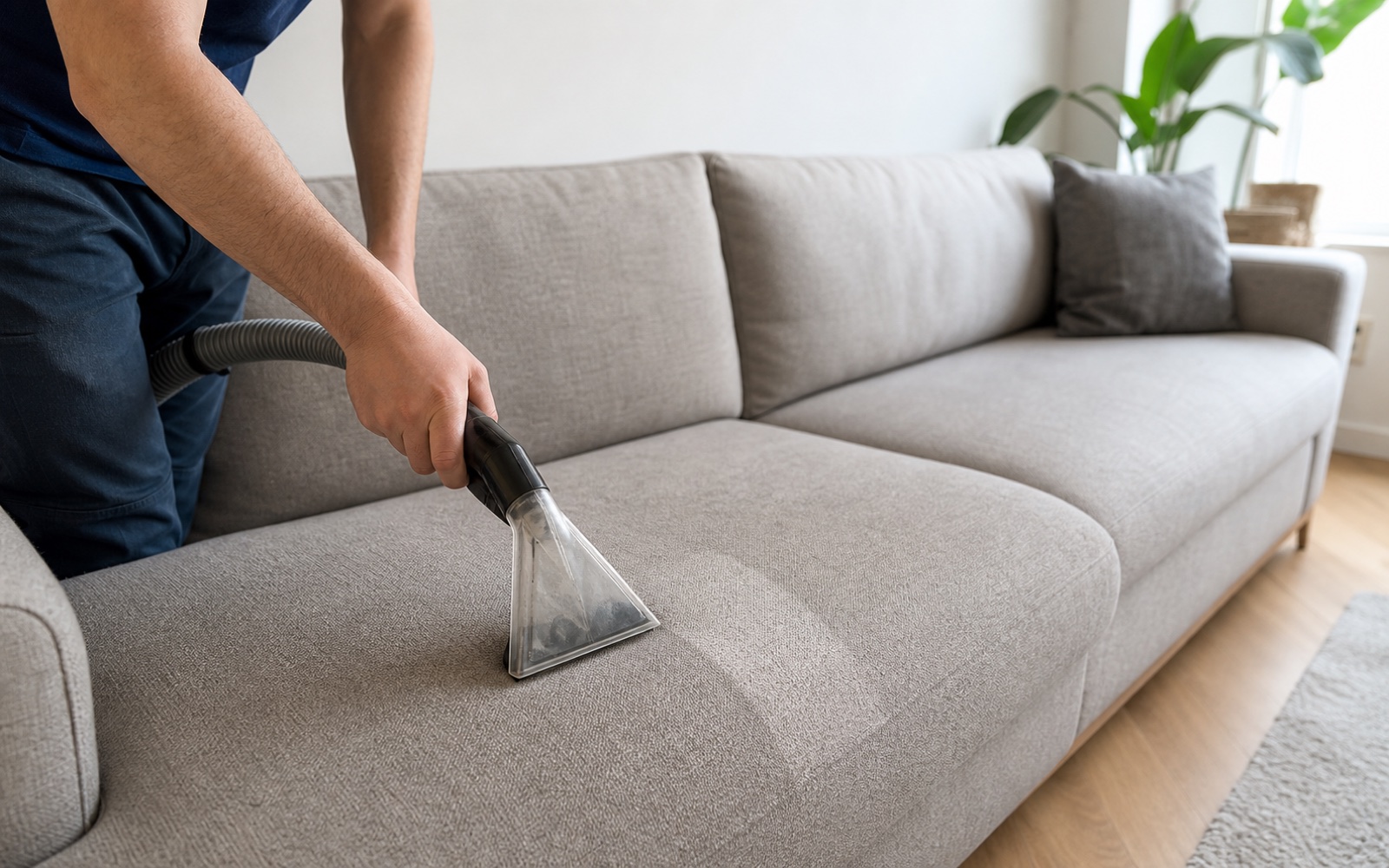
Dining Chair Upholstery Cleaning Calgary: Stain Guide
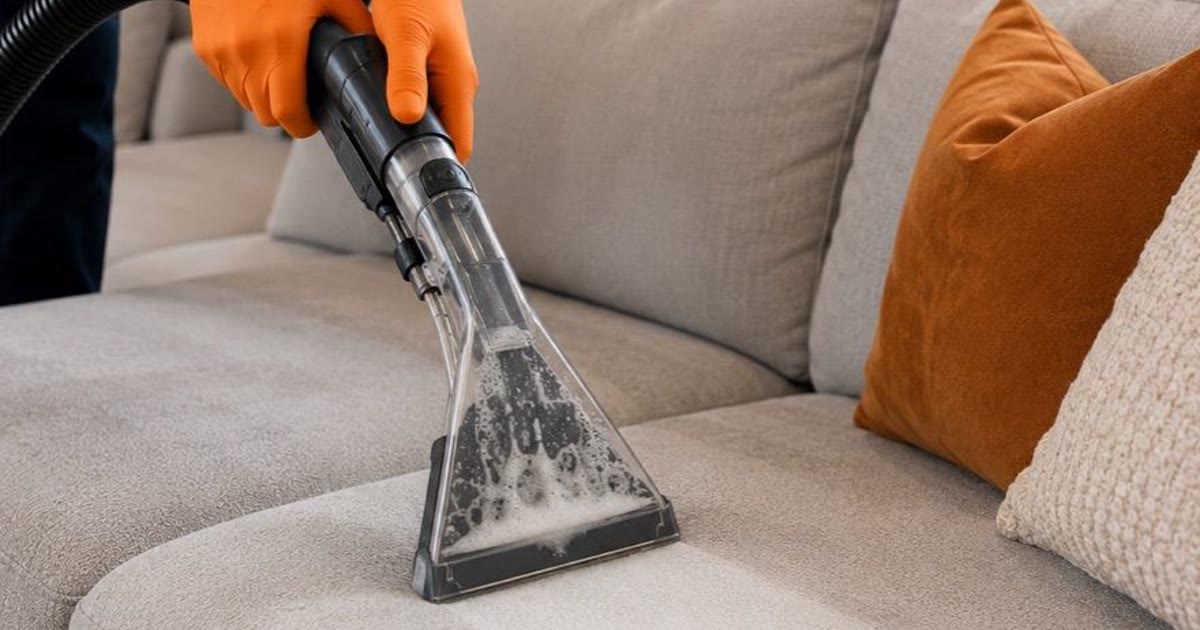
Dining chairs take a beating nobody plans for: gravy, red wine, a toddler's dinner, and a steady rain of crumbs. The seat cushion is the worst spot because it sits right under the plate. If you're searching for dining chair upholstery cleaning in Calgary, the good news is that most stains come out if you act fast and use the right method for your fabric. Here's a practical stain-by-stain guide.
Start with the tag, not the spray bottle
Before you touch a stain, find the care tag. On dining chairs it's usually stapled under the seat, so flip the chair over. Look for a cleaning code:
- W: water-based cleaners are fine.
- S: solvent only (a water-free dry-cleaning product). Water can leave rings or damage the fabric.
- WS: either water-based or solvent cleaners work.
- X: vacuum or brush only, no water or solvent cleaners.
A "W" doesn't mean the fabric is machine washable. It only tells you which type of cleaner is safe. No tag? Treat the fabric as solvent-only until you've tested it.
Always spot-test in a hidden area, such as under the seat or on the back panel. Wait until it dries fully. If the colour bleeds or the texture changes, stop.
Your basic Calgary stain kit
You don't need a cabinet full of products. A small kit handles most dining room accidents in Calgary homes:
- White microfibre cloths (coloured ones can transfer dye)
- A soft brush or an old, clean toothbrush
- Clear dish soap (no dyes, no moisturizers)
- A spray bottle of cool water
- A fabric-safe solvent cleaner for S or WS fabrics
- A vacuum with an upholstery attachment
Skip colour-heavy cleaners and anything strongly scented. Bleach is out for almost every fabric.
The golden rules for any stain
- Blot, never rub. Rubbing pushes the stain deeper and roughens the fibres.
- Work from the outside in. This keeps the stain from spreading.
- Use cool water. Hot water can set protein stains like egg and milk.
- Use less liquid than you think. Soaked foam cushions dry slowly and can smell.
- Don't scrub the whole seat. Cleaning one spot can leave a clean patch that stands out. Clean the full panel edge to edge.
Calgary's dry indoor air in winter helps drying, but don't point a hair dryer on high at the seat. Heat can set some stains and shrink certain fabrics.
Stain-by-stain guide for dining chairs
Red wine and coffee
These are tannin stains. Blot up as much as you can, then dab with cool water and a drop of clear dish soap. Keep blotting with a fresh white cloth until the colour stops transferring. For old coffee or wine marks, a fabric-safe cleaner or a professional treatment usually does better than home mixes.
Pouring salt or baking soda on a fresh spill can help absorb the liquid, but vacuum it away promptly and test first on delicate fabrics.
Grease and oil
Gravy, butter, salad dressing and pizza night leave oily spots that water alone can't lift.
- Scrape off any solids with a spoon.
- Sprinkle baking soda or cornstarch on the spot and let it sit for a while to absorb oil.
- Vacuum it off.
- Treat with a tiny amount of clear dish soap on a damp cloth (W or WS fabric) or a solvent cleaner (S fabric).
- Blot, then blot again with a cloth dampened with plain water to remove soap residue.
Kids' food, milk and egg
These are protein stains. Use cool water only and a gentle dab with diluted dish soap. Hot water cooks the protein into the fibres. If an odour lingers, it's often because moisture got into the foam. See our guide to removing common carpet stains for a similar approach to organic spills.
Ink and marker
Test a solvent cleaner on a hidden spot first. Dab, don't spread. Ink on S-code fabric is best left to a technician, because the wrong product can bleed the dye.
Chocolate and sauces
Scrape off the solids, blot with cool water and mild soap, then rinse with a barely damp cloth. Tomato-based sauces can leave an orange tint, so treat them quickly.
Pet accidents and drool
Pet marks on dining chairs happen more than people admit. Blot, use a fabric-safe cleaner, and avoid anything that only masks odour. We cover this in more depth in our pet owner's guide to cleaning furniture.
How to dry seats without making things worse
Moisture trapped in the foam is the main reason a "cleaned" chair still smells a day later. After cleaning:
- Blot with a dry towel and press firmly to pull moisture out.
- Set the chair near, not in front of, a vent or fan to circulate air.
- Prop the seat so air can reach underneath, especially in a Calgary basement dining area where air tends to be cooler and slower to dry.
- Keep people off the chair until the seat is fully dry.
If a water ring appears, it's usually because the cleaned area dried unevenly. Re-dampen the whole panel evenly and let it dry again.
Regular care that prevents stains
A little routine keeps stains from setting, especially in a busy household in Brentwood, Acadia or anywhere else in the city:
- Weekly: vacuum seats and crevices where crumbs collect.
- Monthly: rotate the cushions or seat covers if they're removable, and wipe the legs and frames.
- Seasonally: a deeper clean before the holidays, when dining chairs get the most use. Our holiday deep cleaning guide for Calgary can help you plan.
- Protection: a fabric protector can make spills bead up for a while. Follow the product directions and test it first.
If you're also dealing with a sofa or armchairs in the same room, our upholstery cleaning basics walk through the whole process.
When to call a professional
Home methods have limits. Consider professional upholstery cleaning in Calgary if:
- The stain is old, set or has been treated with the wrong product.
- The fabric is an S or X code, silk, velvet or another delicate material.
- You have a full set of chairs that all need the same even finish.
- There's a lingering odour, which usually means moisture or residue in the cushion.
- You're preparing for guests, a move or a sale, and you want a consistent result.
A professional technician uses the right solution for the fabric and controls moisture, which is the part most people struggle with at home. That's exactly the kind of job YOFF Home Services handles for Calgary and area homeowners.
FAQ
Can I use dish soap on any dining chair fabric? Only on fabrics with a W or WS code, and only a small amount of clear, dye-free soap. On S-coded fabrics, use a solvent cleaner instead. Always test a hidden spot first.
How do I get a dried stain out of a dining chair? Don't rub it dry. Lightly dampen the area with cool water (or solvent for S fabrics), let it loosen, then blot gently. If it doesn't budge after a couple of tries, stop and call a professional to avoid setting it further.
Why does my chair smell after cleaning? Usually the foam is still damp. Too much liquid soaks into the cushion and dries slowly. Press out moisture with a dry towel, improve airflow, and use less liquid next time.
How often should dining chairs be professionally cleaned? It depends on use. A family with young children may benefit from a yearly deep clean, while a lightly used set may need it less often. Spills and odours are your best signal.
Is it worth cleaning or replacing old dining chairs? If the frame is solid and the fabric is stained but intact, cleaning is far cheaper than replacing. If the foam is crumbling or the fabric is worn through, reupholstering or replacement may make more sense.
Fresh chairs for your next dinner
Most dining chair stains are fixable when you blot early, match the cleaner to the fabric and dry the seat properly. If a stain is stubborn or you'd rather skip the guesswork, YOFF Home Services offers upholstery cleaning across Calgary and Alberta, backed by our No Fix, No Fee guarantee. Get in touch for a quick quote.
Rather have YOFF handle it?
We cover upholstery and more across Calgary and nearby communities — booked fast, done right. No Fix — No Fee.