Preventing Frozen & Clogged Drains in a Calgary Winter
A Calgary winter does two things to drains at once: it freezes the water sitting in them, and it slows everything down so grease and gunk set hard instead of flushing through. A drain that ran fine in October can stop cold in a January deep freeze. A bit of prep now saves you a backed-up sink at minus thirty.
Why winter is hard on drains
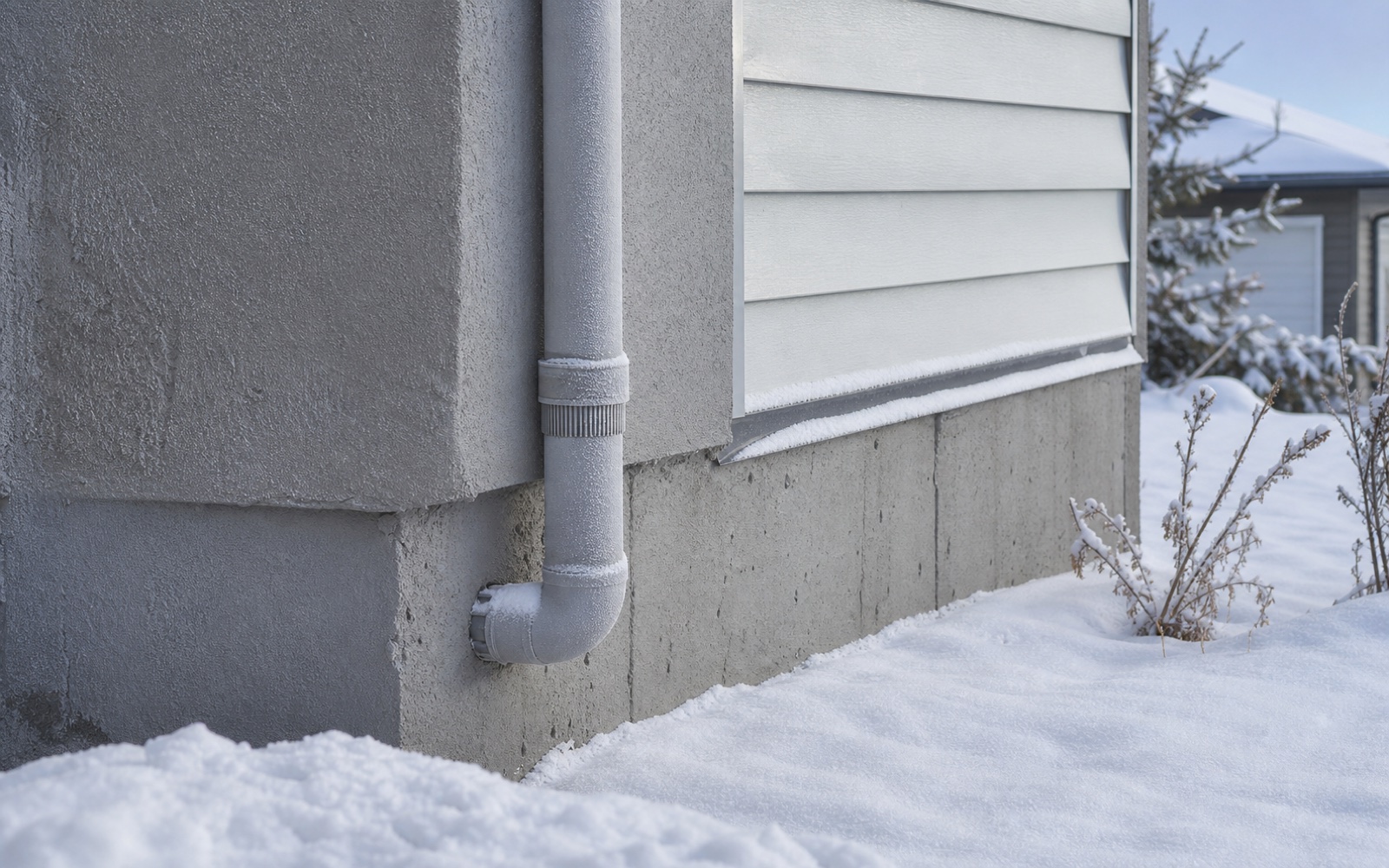
Cold thickens grease and fat so it congeals in the pipe instead of moving. At the same time, any drain line running through an unheated space — a garage, a crawlspace, an exterior wall, or a poorly insulated basement bay — can drop below freezing. Water left in that section turns to ice, expands, and either blocks the line or splits it. Calgary's chinook swings make it sneakier still: a pipe can thaw during a warm spell, then refreeze the moment the temperature crashes back down, working a crack a little wider each cycle.
The drains most at risk in a Calgary home:
- Laundry and utility sinks in the garage or cold corner of the basement.
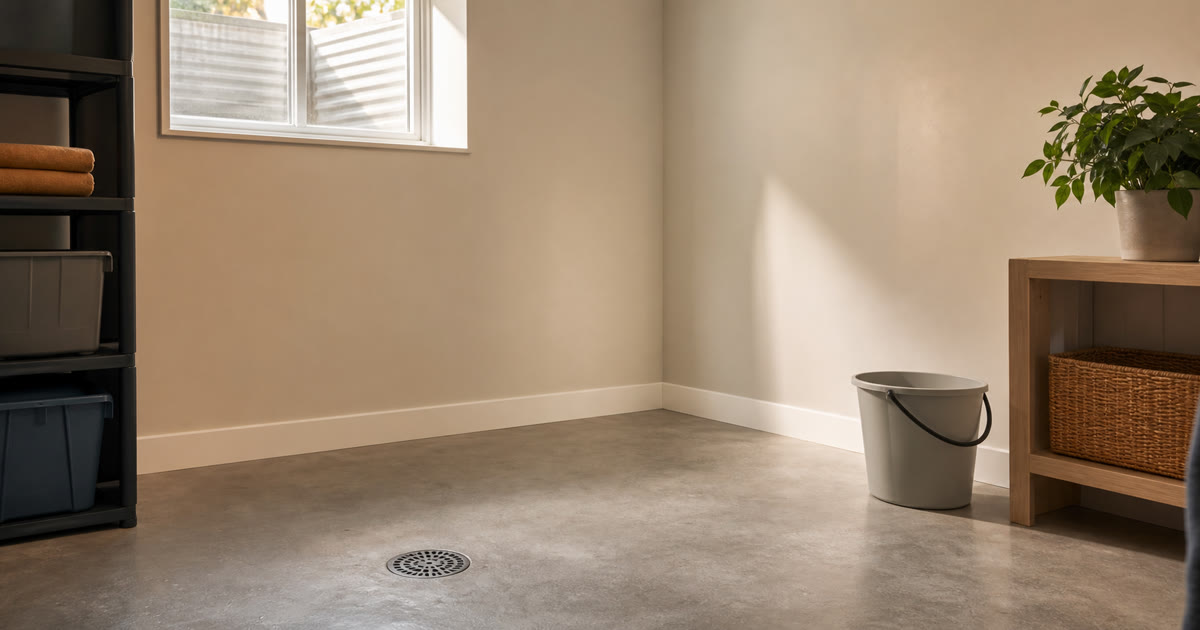
- Floor drains in unheated spaces.
- Kitchen lines that run along an exterior wall.
Prevent it before the freeze
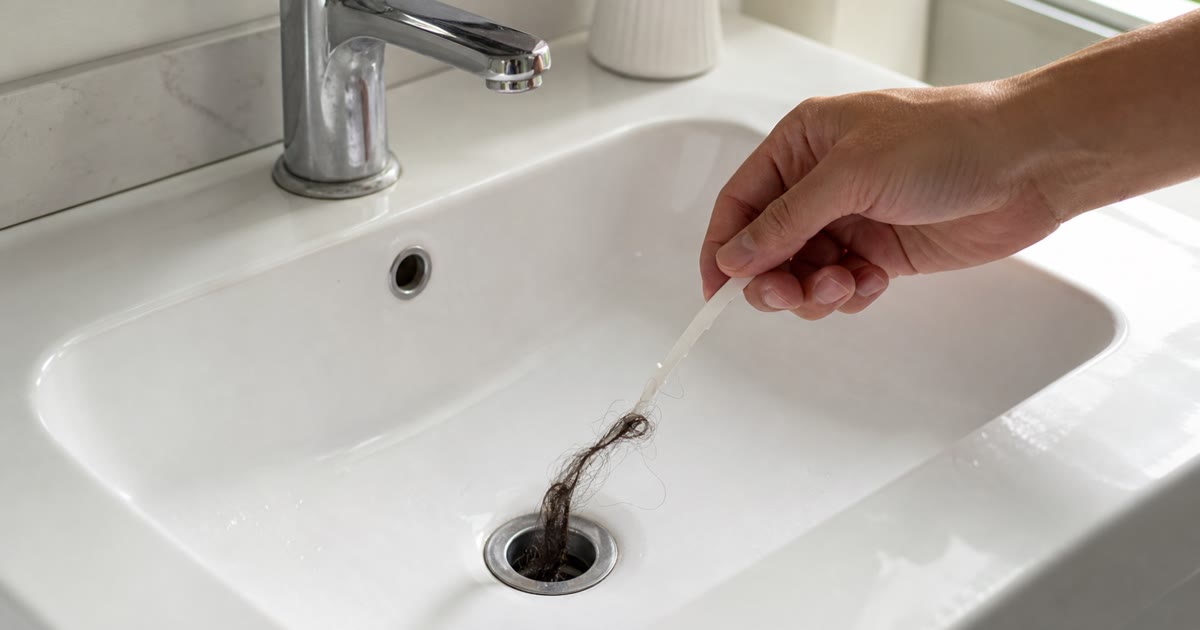
- Keep grease out of the kitchen drain. Wipe pans into the garbage and run hot water for 10 seconds after washing oily dishes. Congealed grease is the number-one winter clog.
- Insulate exposed pipe. Foam pipe sleeves on any drain or supply line in a cold space are a few dollars and an afternoon.
- Seal cold-air leaks. A draft on a pipe is what freezes it. Weatherstrip the garage door, plug the gap where pipes pass through an exterior wall.
- Run warm water through low-use drains weekly so nothing sits and freezes.
During a deep freeze
When the forecast dips into a hard cold snap:
- Let a faucet on an exterior wall drip overnight — moving water resists freezing.
- Open the cabinet doors under sinks on outside walls so house heat reaches the pipe.
- Keep the thermostat steady; don't set it way back while you're away in January.
Spotting the early warning signs
A frozen or freezing drain rarely fails all at once — it warns you first, if you know what to listen for:
- Slower flow than usual in a fixture on a cold wall, especially first thing in the morning after an overnight low.
- Gurgling or a hollow sound as water finally goes down.
- A faint sewer smell near a floor drain, which can mean the trap water has frozen and the seal is gone.
- Frost or condensation on an exposed pipe — a clear sign that section is cold enough to freeze the water inside.
Catch any of these and act before the next deep freeze locks the line solid. A drain you warm up and keep moving today is a far easier fix than a split pipe in February.
Quick tip: if a drain or faucet suddenly slows to a trickle in cold weather but isn't fully blocked, that's often early ice. Warm the area gently with a hair dryer or a space heater nearby — never an open flame — and get water moving before it locks up solid.
When it's a job for a Calgary pro
If a drain is fully frozen inside a wall, or a pipe has already split and is leaking, that's licensed-plumber territory for anything in-wall — and worth a fast call before thaw makes the leak worse. For a clogged or sluggish drain that's frost-and-grease related, YOFF clears it and checks the line so it doesn't seize again. Call us if:
- A drain backs up during a cold snap and won't clear with hot water.
- More than one fixture slows down at the same time.
- You suspect ice in a line you can't reach.
Heading into another Calgary winter — or already fighting a slow drain in the cold? YOFF drain cleaning gets it flowing and helps you prevent the next one. Get a free quote. No Fix — No Fee.
Rather have YOFF handle it?
We cover drains and more across Calgary and nearby communities — booked fast, done right. No Fix — No Fee.