Basement Floor Drain Smell in Calgary? Causes and a Quick Fix
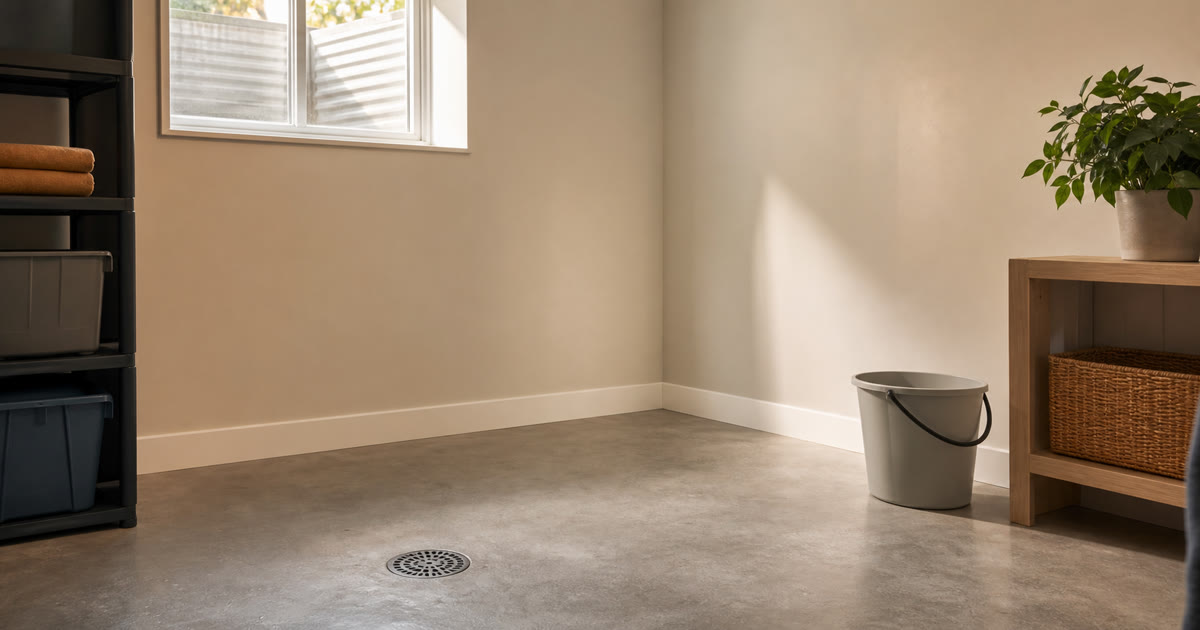
You walk down to your Calgary basement — maybe it's the laundry room, the utility closet, or that unfinished corner where the furnace lives — and there it is: a rotten-egg, sewer-like smell that wasn't there yesterday. You check everywhere. Nothing's spilled. No dead mice. The smell is strongest near the floor drain.
This is surprisingly common in local homes, and in most cases it's not a broken pipe or a backed-up sewer line. It's something much simpler — and you can fix it yourself in about five minutes.
What a Basement Floor Drain Actually Does
Most Calgary homes have at least one basement floor drain. It sits flush with the concrete — often near the furnace, water heater, or laundry tub — and its job is to catch overflow from a leaking water tank, a washing machine mishap, or groundwater seepage during a heavy summer rainstorm.
Inside that drain is a P-trap: a U-shaped bend in the pipe that holds a small pool of water. That water is all that stands between your basement and the sewer line. It blocks sewer gas — methane, hydrogen sulphide, and other unpleasant compounds — from drifting up through the drain and into your home. As long as the P-trap has water, you'll never smell a thing.
Why Calgary Summers Make It Worse
Calgary's climate is the culprit more often than homeowners realize. Our air is dry year-round, and when summer hits — especially during a chinook or a stretch of 25°C-plus days — the water in that basement floor drain evaporates faster than you'd think.
Here's what speeds it up:
- Furnace or AC running nearby. Moving warm air across the concrete floor accelerates evaporation.
- Low humidity. Indoor air in Calgary is dry for much of the year, and a small, unused P-trap can empty within a few weeks.
- Infrequent use. Unlike a bathroom sink or shower, you never pour water into a basement floor drain on purpose. There's nothing replenishing the trap.
- Ventilation fans. A basement bathroom fan or a running range hood upstairs can create negative air pressure, actually pulling the water out of the trap.
Many homeowners notice the smell in late June or July — right when the heating season is long over and the basement has been dry for weeks. If you live in an older Calgary neighbourhood like Haysboro, Acadia, or Brentwood where basements are decades old, you might also have a secondary floor drain you forgot existed — tucked behind the furnace or under shelving.
The 5-Minute Fix
This is the easiest drain fix you'll ever do. No tools, no service call, no dismantling anything.
- Find the smelly drain. Follow your nose. If you're not sure which drain it is, sniff around the utility room — it's usually obvious.
- Pour in a bucket of water. Plain tap water, about 4 to 8 litres (a standard mop bucket). Pour it slowly so you don't splash. This refills the P-trap. You might hear a faint gurgle — that's normal.
- Wait 10 minutes. Give any sewer gas that's accumulated time to dissipate. Open a basement window if you have one.
- Add a tablespoon of mineral oil or cooking oil. Pour it gently on top of the water in the drain. The oil floats and creates a thin film that dramatically slows evaporation. This trick can keep the trap sealed for months instead of weeks.
That's it. In most cases, the smell is gone and stays gone. If it comes back after a few days, just repeat the water-and-oil routine. For homeowners who travel a lot or leave the house empty for weeks at a time — a winter trip south, a long summer holiday — the oil trick is especially valuable.
When Water Alone Won't Fix It
If you've refilled the trap and the sewer smell persists, you might be dealing with something else. Here's what to check — and when to call for help:
- A second drain you forgot about. Some older homes built in the 1960s through 1980s have two basement floor drains. Walk the entire basement and check behind the furnace, under stairs, and in any crawlspace nook. One dry trap is all it takes.
- A cracked or broken P-trap. If the concrete around the drain is damp, stained, or has visible cracks, the trap itself may have broken — especially in Alberta where freeze-thaw cycles shift foundation soil. This needs professional attention.
- A clogged vent stack. Every drain in your home connects to a vent pipe that runs up through the roof. If that vent gets blocked — by a bird's nest, a dead squirrel, or a hailstorm pile-up of debris — the P-trap can get sucked dry by pressure changes. You'll also notice gurgling in other drains. Our technician can check the vent and clear the blockage.
- Odour from the sump pit, not the floor drain. Calgary homes with sump pumps (common in neighbourhoods near the Bow River, like Bowness or Montgomery) sometimes get smells from the sump basin, not the floor drain. The fix there is different — the sump lid may need sealing or the pit may need cleaning.
Preventing the Smell Long-Term
If your basement floor drain dries out every summer — a pattern many homeowners notice — there's a simple maintenance habit that stops it for good:
Pour half a litre of water down the drain once a month. Mark it on your calendar along with furnace filter changes and smoke detector battery checks. It takes 20 seconds and keeps the trap sealed year-round. If you're already doing a monthly walkaround of your home to check for leaks, loose caulking, or foundation cracks, add the floor drain to your list.
In laundry rooms, a splash from the washing machine discharge sometimes finds its way into the floor drain, which helps — but don't count on it. Modern front-loading washers use surprisingly little water, often not enough to top up a trap.
What Not to Do
A quick Google search for "basement floor drain smell" will surface all kinds of bad advice. Here's what to skip:
- Bleach. It kills bacteria in the drain but does nothing for sewer gas — and if any ammonia-based cleaner residue is in the drain, the mix produces toxic chloramine gas.
- Pouring boiling water. Plastic drain pipes (ABS or PVC, standard in newer homes) can soften and warp with boiling water. Warm tap water is fine.
- Shoving a hose in and blasting water. You risk displacing the trap seal entirely or pushing debris deeper. A gentle bucket pour is all you need.
- "Drain bombs" — baking soda and vinegar. Fun for science class, but the reaction happens at the top of the drain and does nothing for the P-trap water seal below. Save the volcano for the kids.
A Quick Note for Alberta's Dry Climate
Calgary's indoor air is dry — one of the driest among major Canadian cities. Combined with forced-air heating in winter and the low-humidity chinook pattern, our basements evaporate water faster than homes in Vancouver, Toronto, or Montreal. If you moved to Calgary from a more humid part of Canada, you might be experiencing basement floor drain smells for the first time. It's not a sign of a bad house — it's just the local climate at work.
Homeowners across the prairies deal with the same issue, though the chinook effect makes Calgary especially prone. Basement floor drain smells are a common finding on home inspections, and most of the time they come down to nothing more than a dry trap.
Related Calgary Home Guides
- Garage Floor Drain Winter Prep: A Calgary Homeowner's Checklist
- Washing Machine Drain Overflowing? Calgary Causes and Fixes
- Why Your Bathroom Drain Keeps Clogging — 5 Common Causes
Frequently Asked Questions
Is the sewer smell from a basement floor drain dangerous?
In the small amounts that come from a dry trap, sewer gas is mostly an unpleasant nuisance, but it isn't something to live with. Refill the trap, open a window to air out the space, and the smell should clear quickly. If the odour is strong, persistent, or comes with headaches, get the area ventilated and have it checked.
How often should I pour water into my basement floor drain?
About once a month is enough for most Calgary homes. Half a litre of water keeps the P-trap sealed, and a tablespoon of mineral or cooking oil on top slows evaporation so the seal lasts much longer between top-ups.
Why does my floor drain smell only in summer?
Calgary's dry air, warm basement temperatures, and the fact that nobody uses a floor drain on purpose mean the trap water slowly evaporates. By late June or July many traps have dried out, which is when homeowners usually first notice the smell.
What if the smell comes back right after I refill the drain?
A smell that returns within days points to something other than simple evaporation, such as a second forgotten drain, a cracked trap, a blocked vent stack, or an unsealed sump pit. That's the point to have our technician take a look rather than keep pouring water in.
When to Call YOFF
Most floor drain smells are a five-minute DIY fix. But if you've tried refilling the trap, sniffed out every drain in the basement, and the odour still won't quit — or if you notice water staining around the drain, gurgling in multiple fixtures, or a smell that gets worse after heavy rain — it's time for a professional look.
At YOFF Home Services, we handle basement drain issues for Calgary homeowners every week. Our technician will check your P-traps, clear a slow or blocked floor drain, look at the vent if needed, and tell you honestly whether it's a simple fix or something bigger. No scare tactics, no unnecessary work. Drain cleaning starts from $100.
Rather have YOFF handle it?
We cover drains and more across Calgary and nearby communities — booked fast, done right. No Fix — No Fee.