How to Replace Weatherstripping Around Doors and Windows — A Calgary Homeowner's Energy-Saving Guide
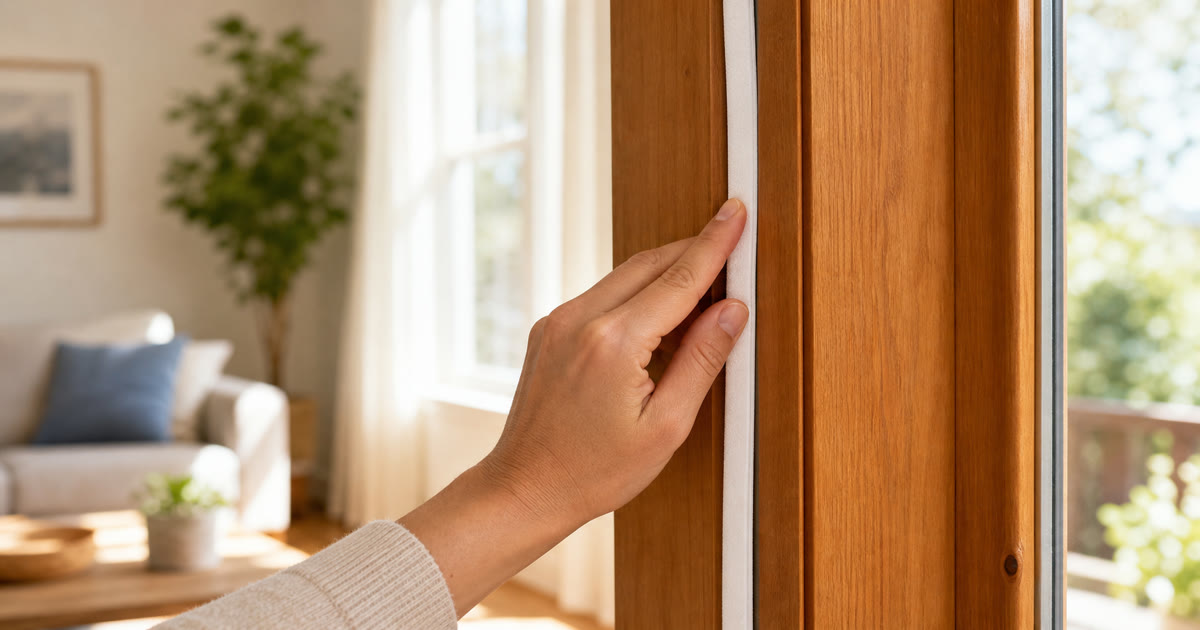
If you've ever stood near your front door on a cold Calgary winter evening and felt a whisper of chill air, you've met worn weatherstripping. It's one of those things that quietly degrades — season after season of chinook-driven temperature swings, Edmonton-Calgary corridor winds, and dry Alberta prairie air slowly compress, crack, and peel those rubber and foam seals until they're doing almost nothing. The good news: replacing weatherstripping is one of the cheapest, highest-impact DIY fixes a Calgary homeowner can tackle, and it pays for itself in energy savings within the first year.
Why Calgary's Climate Is Ruthless on Weatherstripping
Calgary destroys weatherstripping faster than most cities. Blame the chinook. A classic Calgary winter can swing from –25°C to +10°C in under 24 hours — a 35-degree thermal shock that causes the rubber and foam materials on your doors and windows to expand, contract, and fatigue. In neighbourhoods like Brentwood or Haysboro, where homes built in the 1960s–1980s still have some original door frames, the seals have been through hundreds of those cycles.
Add in Calgary's dry air — Alberta's relative humidity indoors in winter can drop below 20% — and the materials become brittle. Foam weatherstripping loses its spring-back. Rubber door sweeps crack along the bottom edge. The felt strips that came stock on many Calgary bungalows compress into a flat ribbon that no longer fills the gap.
The result? Drafts that force your furnace to work harder through every Alberta cold snap, and in summer, air-conditioned air escaping through the same gaps. Natural Resources Canada estimates that air leakage through doors, windows, and other openings accounts for 25% to 40% of a home's heating and cooling energy loss — a number that hits harder in Calgary where heating season can stretch from October through April.
How to Check if Your Weatherstripping Has Failed
Before you buy anything, do a five-minute audit of every exterior door and window in your Calgary home. Here's how:
The visual check. Open each door and window and look at the seal. On doors, check the compression strip along the top and sides; on windows, look at the seal between the sash and the frame. Signs of failure: cracks, flattening (the seal no longer springs back when pressed), gaps at corners, peeling adhesive backing, and discoloured or crumbling sections. Calgary's UV-intense summer sun (the city sits at over 1,000 metres elevation) also bakes south-facing door seals — in communities like Acadia or Falconridge, a south-facing front door gets hit particularly hard.
The dollar-bill test. Close the door or window on a piece of paper (a banknote or a sheet of printer paper). Try to pull it out. If it slides out with little or no resistance, the seal isn't compressing — you've got a gap.
The hand test. On a windy Calgary day, run your damp hand slowly along the edges of closed doors and windows. You'll feel the draft immediately. This is especially obvious in Calgary's older inner-city neighbourhoods like Sunnyside or Inglewood, where heritage homes often have slightly warped door frames that make weatherstripping work overtime.
The light test. At night, turn off lights inside the room and have someone shine a flashlight around the door or window frame from outside. If you see light bleeding through, so is your heated air. Simple, effective, and works for any Calgary home — from a downtown condo to a McKenzie Towne suburban house.
Choosing the Right Weatherstripping for the Job
Walk into any Calgary hardware store — Home Depot, Lowe's, or a local shop like RONA on Macleod Trail — and you'll face a wall of weatherstripping options. The right one depends on where it's going:
| Type | Best for | Durability in Calgary climate |
|---|---|---|
| Adhesive foam tape (closed-cell) | Window sashes, door frames with even gaps | Moderate — 2–4 years; UV exposure on south-facing doors shortens life |
| V-strip (tension seal) | Double-hung window sashes, door sides | Good — 5+ years; handles Calgary's temperature swings well |
| Door sweep (aluminum + rubber/fin) | Bottom of exterior doors | Good — 3–5 years; the rubber fin tolerates Calgary's dry-cold cycles |
| Tubular rubber gasket | Heavy exterior doors, garage-to-house doors | Excellent — best for Calgary's harsh swings; used commercially |
| Felt (old-school) | Not recommended — compresses fast, holds moisture | Poor — skip this for any Alberta home |
For most Calgary homeowners, the sweet spot is adhesive foam tape for windows and a quality door sweep with a rubber fin for the bottom of exterior doors. If your door frame gap is uneven (common in older Calgary homes where the foundation has settled), tubular rubber gaskets are the better call because they compress more deeply into wider spots while still sealing narrow sections.
Step-by-Step: Replacing Door Weatherstripping
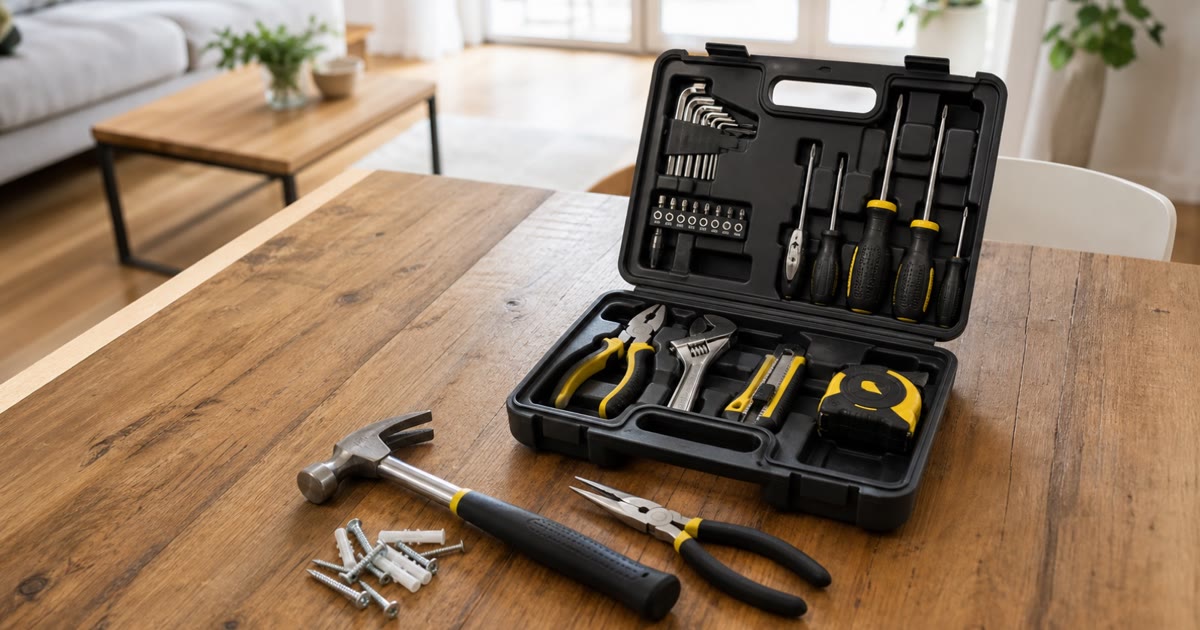
What you'll need
- Replacement weatherstripping (foam tape or V-strip for sides/top; door sweep for bottom)
- Utility knife or scissors
- Rubbing alcohol and a rag (for cleaning the surface)
- Measuring tape
- Screwdriver (for door sweeps that screw into place)
- A helper — optional but makes the dollar-bill test easier
Step 1: Remove the old stuff
Pull off the old weatherstripping slowly. If it's adhesive foam, peel from one corner. If it leaves sticky residue — and it almost always does on Calgary doors, where summer heat bakes adhesive into the paint — rub the residue off with a rag dampened in rubbing alcohol. For screw-on sweeps, back out the screws and set them aside (you may reuse them if the new sweep fits the same hole pattern).
Step 2: Clean and dry the surface
This step makes or breaks the job. Wipe the door frame channel, the bottom edge of the door, and any surface that will receive new adhesive with alcohol. Any dust, grease, or lingering adhesive residue will cause the new seal to peel within a season — and in Calgary, where a chinook can blast dry dust against your door at 60 km/h, a bad adhesive bond fails fast.
Step 3: Measure twice, cut once
Measure each side of the door frame — top, left, right. For the door sweep, measure the full width of the door bottom. Cut your weatherstripping to length with a utility knife or sharp scissors. Tip: if you're using adhesive foam, cut pieces slightly long (1–2 mm) and compress them into place — this prevents gaps at the corners where drafts sneak through.
Step 4: Apply the new seal
For adhesive foam or V-strip, peel the backing as you go — don't peel it all at once. Press firmly along the entire length, paying special attention to the corners. In Calgary's cold weather, adhesive bonds poorly if the surface is below 10°C, so do this job on a mild day or warm the surface with a hair dryer first.
For door sweeps, slide the new sweep onto the door bottom (if it's a slip-on type) or screw it into place. Adjust so the rubber fin just grazes the threshold — too tight and it'll drag and wear out fast, too loose and you've still got a draft.
Step 5: Test your work
Repeat the dollar-bill test and the hand test. A properly sealed door should hold the paper firmly and show zero detectable draft. Walk around every newly sealed door and window in your Alberta home — the satisfaction of a tight seal on a blustery Calgary evening is real.
Windows: A Different Approach
Window weatherstripping works differently than door weatherstripping because window sashes slide past the seal rather than compressing against it. For Calgary's double-hung windows — still common in many mid-century homes across the city, from Bowness to Forest Lawn — V-strip (tension seal) is the gold standard. It creates a spring-loaded barrier that the sash slides against, and it handles the repeated open-close cycles of a Calgary summer when you're finally opening windows to let in the June breeze.
For casement or awning windows (the crank-open type popular in newer Calgary suburbs like Evanston or Seton), use adhesive foam tape applied to the window frame where the sash presses closed. These windows tend to hold their seals better than sliding windows because the crank mechanism compresses the sash firmly against the gasket — but the gasket still degrades over an Alberta decade of UV exposure and thermal cycling.
When DIY Hits Its Limit — Call a Calgary Handyman
Weatherstripping is squarely in the DIY zone for most homeowners. But there are situations where calling a professional makes more sense than fighting it yourself:
- The door or window frame is warped or rotted. If the frame itself has moved, no weatherstripping will close a gap wider than 6–8 mm. A Calgary handyman can assess whether the frame needs repair or replacement.
- The gap is uneven. Foundation settling is common in Calgary, especially in older neighbourhoods like Mount Pleasant or Elbow Park. If your door gap is 3 mm on one side and 9 mm on the other, a handyman can install a tubular gasket system that handles the variance.
- You've got a historic or custom door. Heritage homes in Inglewood, Ramsay, and parts of downtown Calgary often have non-standard door sizes or ornate frames where off-the-shelf weatherstripping looks clunky. A pro can source or fabricate seals that match the aesthetic.
- You've tried and the draft persists. If you've replaced the seals and still feel cold air moving through, the problem might be elsewhere — around the door frame casing, through an unsealed rim joist in the basement, or through an attic hatch. A Calgary handyman can trace the draft to its real source.
What About Energy Savings?
A proper weatherstripping job across all exterior doors and windows in an average Calgary home can reduce air leakage by 5% to 15% — that's a real number on your Enmax or Direct Energy bill. For a Calgary house where heating accounts for roughly 60% of annual energy costs, a 10% reduction in air leakage translates to meaningful savings over a heating season that easily runs seven months in Alberta. That said, every house is different — a 1970s bungalow in Acadia with original single-pane windows will see a bigger relative improvement from weatherstripping than a brand-new build in Cornerstone with triple-glazed units already tightly sealed. [ПРОВЕРИТЬ: точные цифры экономии — нужны актуальные данные Natural Resources Canada по среднему потреблению в Alberta.]
A Simple Seasonal Habit
Make a weatherstripping check part of your fall routine in Calgary — right around the same time you're putting away patio furniture and scheduling furnace maintenance. September or early October, before the first real cold snap hits, is ideal. Walk the perimeter of your home, run the hand test on every exterior door and window, and replace anything that's flattened or cracked. Ten minutes of inspection in September saves months of heated air escaping into a Calgary winter.
Bottom line: worn weatherstripping is a small problem with an outsized impact on your comfort and your energy bill. For Calgary and Alberta homeowners, where chinook swings and long heating seasons amplify every air leak, a fresh set of door and window seals is one of the smartest home maintenance moves you can make. If you'd rather have a pro handle it — or if the gaps are beyond what a foam strip can fix — YOFF's handyman team is a call away. We work in homes across Calgary, from Brentwood to McKenzie Towne, and we know exactly what Alberta's climate does to door seals. Because we live here too.
Rather have YOFF handle it?
We cover seasonal and more across Calgary and nearby communities — booked fast, done right. No Fix — No Fee.