Window Well Maintenance in Calgary: Keep Your Basement Dry
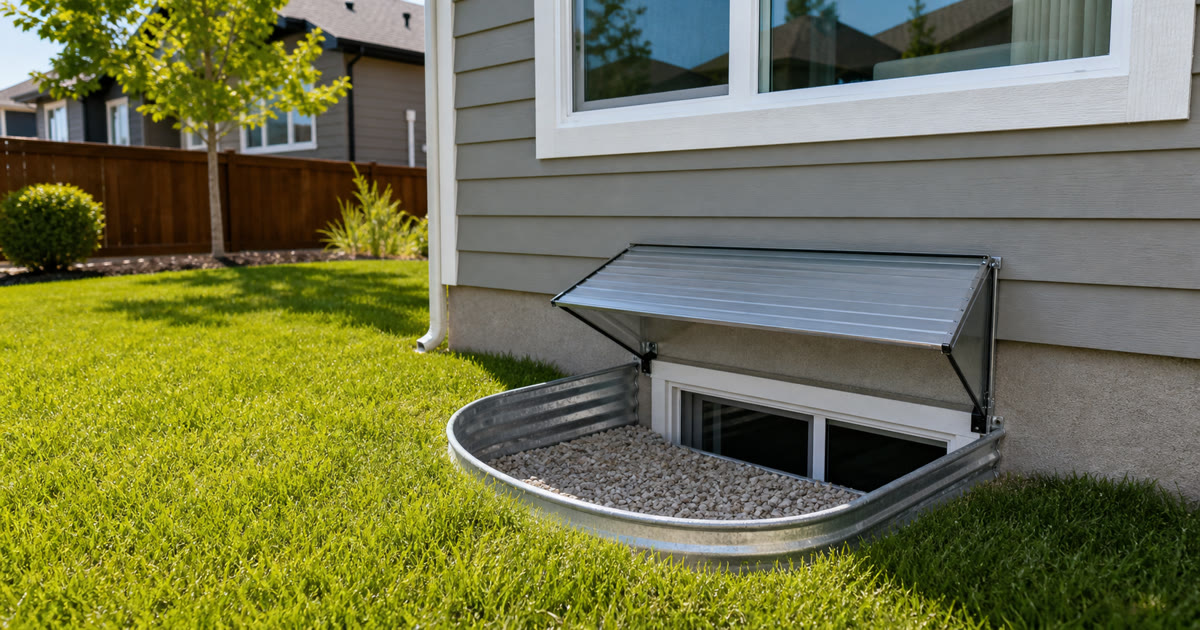
If you own a home in Calgary with a basement — and that's most of us — there's a good chance you've got window wells and haven't thought about them since you moved in. Most of us don't. These metal or concrete basins sit below ground level outside basement windows, quietly collecting leaves, dirt, and water until the day a heavy summer storm hits and the basement carpet gets damp.
A little window well maintenance goes a long way in our climate: freeze-thaw cycles, chinook-driven snowmelt, and intense summer thunderstorms all conspire to turn a neglected window well into a basement flood waiting to happen. The good news is that cleaning and maintaining window wells is straightforward — here's exactly how to do it, what to look for, and when to get a handyman involved.
What Window Wells Do — and Why They Matter
A window well is exactly what it sounds like: a dug-out well around a below-grade basement window. Its job is twofold: keep soil and groundwater away from the window itself, and let natural light into the basement. In Calgary, where most single-family homes have full basements (finished or not), window wells are nearly universal — you'll spot them on houses in every community from Brentwood to McKenzie Towne.
But a window well only works if it drains. The bottom of the well should be filled with coarse gravel that lets water percolate into the ground or into a connected drain tile. When the gravel fills up with silt, leaves, dead grass, and windblown prairie topsoil, water has nowhere to go except against the window — and over time, against your foundation.
How Calgary's Climate Makes Window Well Problems Worse
The city has a rare combination of climate factors that accelerate window well problems:
-
Chinook freeze-thaw cycles. A winter chinook can swing the temperature from –20°C to +10°C in under a day. Snow melts rapidly, water pools in window wells, and if the temperature drops again that night, the water freezes and expands. This puts pressure on the well's metal shell and the window frame — and it can happen several times in a single winter.
-
Summer thunderstorms. June and July are Calgary's peak storm months. When a thunderstorm dumps a heavy downpour in a single afternoon, clay-heavy soil can't absorb it fast enough. Water sheets across the surface and pours directly into poorly drained window wells.
-
Wind and debris. Calgary sits where the prairies meet the foothills — it's windy. Leaves, twigs, plastic bags, and loose soil blow into uncovered window wells constantly. In established neighbourhoods like Haysboro and Acadia, where mature trees drop leaves each autumn, wells can fill halfway with organic debris in a single season.
-
Clay soil. Much of the local ground is dense glacial clay — slow-draining and expansive. When it's wet, it swells; when it dries, it cracks. This puts constant pressure on window wells and the foundation around them. Soil conditions vary from one lot to the next, so it's worth watching how quickly your own wells drain after a heavy rain.
Signs Your Window Well Needs Attention
Before you grab a shovel, do a quick walk around your home and check each window well for these warning signs:
-
Debris above the gravel line. If you see leaves, grass clippings, or dirt sitting higher than the original gravel level, the well isn't draining properly.
-
Rust or corrosion on the metal shell. Repeated chinook melt and road salt tracked onto lawns can corrode older steel window wells. Rust weakens the well and creates sharp edges — a safety hazard if someone ever needs the window as an emergency exit.
-
Water stains on the inside basement wall below the window. This is the classic sign that water is getting past the window or the well-to-foundation seal. In Calgary's older neighbourhoods like Inglewood and Sunnyside, where many homes are decades old, the seal between the well and the foundation is often worn out.
-
Window hard to open or fogged between panes. Moisture trapped around the window frame can warp the sash or compromise the seal on double-pane glass.
-
Standing water after rain or snowmelt. If water sits in the well for more than a few hours after a storm, your drainage is insufficient — period.
How to Clean a Window Well: Step-by-Step
You can do basic window well cleaning in about thirty minutes per well with basic tools. Here's the process:
1. Remove the Cover (If You Have One)
Many homes have metal or plastic covers over window wells to keep out debris and snow. Lift off the cover, set it aside, and check it for cracks, rust, or bent edges. A broken cover is better than no cover but needs replacement eventually.
2. Pull Out Large Debris by Hand
With a pair of heavy work gloves, reach in and pull out leaves, twigs, and trash. If the well is deep — some are four feet or deeper in homes with high foundations — use a garden rake or a long-handled scoop. Watch for broken glass, sharp metal edges, and (occasionally) small animals. Window wells are a favourite hideout for mice and voles, especially in communities that border open fields.
3. Clear the Gravel and Check the Drain
Scoop out or push aside the top inch or two of gravel. At the bottom of a well-maintained window well, you should see either clean pea gravel with soil beneath it, or an actual drain opening connected to your weeping tile. If the gravel is packed with mud and silt, scrape out as much as you can and replace it with fresh coarse gravel (¾-inch crushed stone works well and is available at any home improvement store).
If your well has a visible drain hole, pour a bucket of water into it and watch how fast it disappears. If it pools, the drain line is clogged. Our technician can often clear a blocked window well drain with a drain snake; if the blockage is in the weeping tile around the foundation, that's a job for a foundation specialist.
4. Scrub the Window Glass
While you're down there, clean the basement window from the outside with a hose and a soft brush. Calgary's hard water leaves mineral spots that bake onto the glass under summer sun, especially on south-facing windows. Clean glass lets more natural light into your basement.
5. Check the Seal Between Well and Foundation
Look at the joint where the metal well meets the foundation wall. It should have a weatherproof sealant — polyurethane caulking or a rubber gasket. If you see gaps, cracks, or peeling sealant, cut out the old material with a utility knife and apply an exterior-grade polyurethane sealant. Big temperature swings demand flexible sealant; rigid products will crack within a season.
6. Replace the Gravel and Cover
Once everything is clean, refill gravel to a depth of at least 4–6 inches for proper drainage. Reinstall the cover securely — in a strong wind, an unsecured cover can fly off in a single chinook gust.
When to Upgrade: Covers, Gravel, and Beyond
If your window wells are uncovered or have seen better days, consider these upgrades:
Window well covers. A clear polycarbonate cover keeps out most debris and all large objects while still letting light through. Bolt it down properly — wind gusts can be fierce in exposed areas. A cover also prevents children and pets from falling into deep wells, a safety must for any family with young kids. Some municipalities require covers on wells deeper than a certain depth, especially if the basement window serves as an emergency egress.
Fresh gravel. Over time, gravel fills with silt and stops draining. Pull out the top 4 inches of old gravel and replace it every 3–5 years depending on how much debris your yard generates. A bag or two of crushed stone from any hardware store is cheap insurance against a basement leak.
Proper grading around the well. The soil surface around the top lip of the window well should slope away from the house for at least the first couple of metres. Many yards settle over time. If the ground slopes toward your window well, water will follow gravity straight into it during every summer thunderstorm and every chinook melt. Regrading requires a shovel, fill soil, and a couple of hours per well — or a call to our technician.
Weeping tile connection. In many newer homes, window well drains are connected directly to the weeping tile system. If yours isn't — and your basement gets damp after heavy rain — have a foundation specialist assess whether the well drain can be tied into the foundation drainage system.
Emergency Egress: Don't Block the Way Out
This is important: if your basement window is a code-required emergency exit — which it usually is in finished basements — the window well must remain accessible and large enough for a person to climb out. Building code typically requires a minimum well area for egress windows. Don't pile gravel to the brim, don't install a cover that can't be removed from inside, and don't let landscaping block the exit.
In Calgary neighbourhoods with older bungalows — Brentwood, Glamorgan, Haysboro — many basement windows were originally small hopper-style units that don't meet modern egress standards. If you're renovating your basement, upgrading to larger egress windows with properly sized wells isn't just about code compliance — it could save a life in a fire.
Seasonal Maintenance Calendar
Here's a quick seasonal schedule for window well care:
-
April (post-snowmelt). First inspection of the year. Clear any debris that accumulated over winter. Check for damage from freeze-thaw. Pour water into the drain to confirm it's flowing after being frozen all winter.
-
June (pre-storm season). Deep clean. Replace gravel if needed. Check seals. Install or inspect covers before the July thunderstorm peak.
-
October (pre-winter). Final leaf cleanup. Make sure drains are clear before freeze-up. Ensure covers are securely fastened — October winds are notorious for tearing off loose covers.
-
During chinook events (all winter). Quick visual check from the outside. Chinooks can arrive several times a winter — after a big one, walk the perimeter and make sure meltwater hasn't pooled around your wells.
When to Call a Calgary Handyman
You can handle most window well cleaning yourself. Call our technician when:
- The drain is clogged and won't clear with simple flushing — it needs a drain snake.
- The seal between the well and the foundation is cracked or peeling and needs to be redone.
- You want a secure, properly fastened cover installed.
- You'd simply rather have a professional do the dirty work so you know it's done right.
Some problems go beyond a clean-out. If the metal well is rusted through or pulling away from the foundation, a basement window needs enlarging for egress, or water is actively entering your basement — which could mean a foundation crack — bring in a foundation specialist or a window and egress company.
YOFF Home Services covers window well cleaning, drain flushing, gravel replacement, sealant repair, and cover installation for homeowners across Calgary — from the inner city to the deep suburbs.
Related Calgary Home Guides
- Furnace Humidifier Maintenance in Calgary: Fix Dry Air & Scale
- Weatherstripping Calgary: Seal Door and Window Drafts
- Garage Door Maintenance in Calgary: A Homeowner's DIY Guide
Frequently Asked Questions
How often should I clean my window wells in Calgary?
At least twice a year, with quick checks in between. A good rhythm is an inspection in April after snowmelt, a deeper clean in June before storm season, and a final leaf cleanup in October before freeze-up.
Should window wells have covers?
A secure, clear polycarbonate cover keeps out most debris while letting light in, and it helps keep children and pets from falling into deep wells. If the window is an emergency exit, make sure the cover can be removed easily from inside.
Why is water pooling in my window well?
Standing water usually means the gravel is clogged with silt and debris, the drain is blocked, or the ground around the well slopes toward the house. Clear the debris, refresh the gravel, and check the grading. If the drain still won't clear, have it snaked or flushed.
Can a leaking window well cause basement water damage?
Yes. Water that can't drain from the well can seep past the window or the seal between the well and the foundation, leaving stains on the inside wall below the window. Keeping the well clean and the seal intact prevents most of these leaks.
The Bottom Line
Window wells are easy to ignore — until they're not. In Calgary's unique climate of chinooks, summer storms, and clay-heavy soil, a plugged window well can put water into your basement faster than you'd think. Thirty minutes of cleaning twice a year and a solid cover will prevent most problems. And if a well drain is clogged or a seal needs redoing, help is just a phone call away.
Need help with your window wells in Calgary? Book a window well clean-out with YOFF: our technician will clear the debris, refresh the gravel, flush or snake the well drain, reseal the joint at the foundation, and fit a secure cover. We work around your schedule and show up on time — let's keep your basement dry this summer.
Rather have YOFF handle it?
We cover seasonal and more across Calgary and nearby communities — booked fast, done right. No Fix — No Fee.