Garage Door Maintenance in Calgary: A Homeowner's DIY Guide
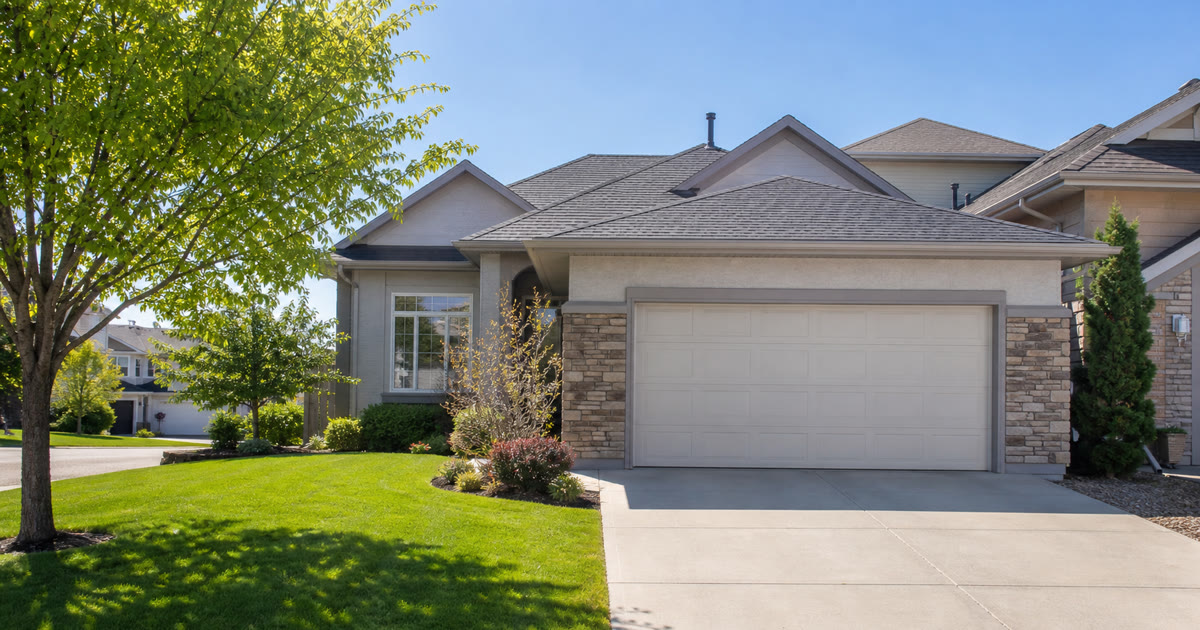
Your garage door is the largest moving object in your home, and in Calgary it endures a punishing range: −30°C January mornings that thicken lubricant into glue, spring chinook dust that coats every moving part with grit, and summer heat that expands metal rails. Most homeowners press the remote and hope for the best — until the day it doesn't open, or worse, doesn't stop. A few basic checks twice a year take 20 minutes and prevent those heart-sink moments when you're already late for work and your car is trapped inside.
What happens when Calgary weather meets a garage door
Our climate throws three specific challenges at garage door mechanisms that milder Canadian cities don't face:
-
Cold-thickened lubrication. Ordinary grease and oil — the kind a builder might have used — stiffen in deep cold. Your opener motor works harder, the chain or belt strains, and the door may stop short or reverse because it meets more resistance than the opener expects. With an attached garage, you can often hear the motor labouring through the wall.
-
Chinook dust and grit. Calgary's chinook winds don't just swing temperatures; they blow fine silt, road sand, and pollen across the city all winter and spring. This grit settles into roller tracks and hinge pins, wearing down nylon rollers and creating that grinding sound you hear in older garages.
-
Freeze-thaw around the slab. The concrete apron in front of a garage moves with frost heave. Over several winters, a door that once met the ground evenly may develop a gap on one side — letting cold air, mice, and drifting snow into your garage in communities from Brentwood to McKenzie Towne.
These aren't dramatic failures. They're slow shifts that you can catch and correct before they turn into a costly repair.
1. The visual once-over (monthly, 3 minutes)
Walk into your garage with the door closed and look up. Run your eyes across these points:
-
Springs — look for a gap in the coil. A broken torsion spring above the door is the most common serious failure. If you see a two-inch gap, stop using the door immediately and call a pro. Springs are built for a limited number of open-and-close cycles (a standard spring is commonly rated around 10,000), so a busy household door can wear through them sooner than you'd expect.
-
Cables — the steel cables on each side should be taut and rust-free. Frayed strands or kinks mean you're close to a failure. Never touch a cable under tension — it carries a heavy load.
-
Rollers — nylon rollers should be round, not chipped or flat-spotted. Steel rollers on older doors may show rust or wear grooves. A failing roller can jam the door mid-travel.
-
Weatherstripping — the rubber seal along the bottom and sides gets brittle in Alberta's dry air. Cracked or missing sections let in cold, dust, and the occasional field mouse looking for warmth in October.
2. Lubrication (twice a year: May and October)
The season changes are the right time to lube your garage door. May catches it before summer heat, October before the deep cold sets in. Use a silicone-based garage door lubricant — not WD-40 (it's a cleaner, not a lubricant) and not lithium grease (it thickens in winter). Spray these points:
- Hinge pins — where each panel folds. A quick shot on each pin keeps the door quiet.
- Rollers — onto the bearing, not the track. If rollers have sealed bearings, skip them; if they're exposed, a light spray helps.
- Torsion spring — spray along the coil with the door closed. This prevents rust and reduces friction. Do not touch the spring; just spray.
- Opener chain or screw — if you have a chain-drive opener (common in older garage door setups), a light coat on the chain keeps it from rattling. Belt drives don't need lube.
Wipe any drips off the track. A greasy track collects chinook dust and creates more friction than a dry one.
3. The balance test (every 6 months)
This is the most important test most homeowners skip. An unbalanced door makes the opener work harder, burns out motors, and can slam down if the spring breaks.
Here's how to test it:
- Pull the red emergency release cord to disconnect the opener.
- Lift the door manually to waist height and let go.
- A properly balanced door stays in place. If it drops, the springs need more tension. If it flies up, there's too much tension.
If the door doesn't hold position, the springs need adjustment. Do not try to adjust torsion springs yourself. The winding mechanism stores enough energy to break bones. This is the one garage-door task that belongs strictly to a garage door company.
4. Safety auto-reverse (monthly)
Modern garage door openers include an auto-reverse safety system — an electric eye near the floor, plus a contact-reverse setting that sends the door back up when it meets resistance. In a home where kids, pets, and bikes share the garage entrance, this safety feature is not optional.
Electric eye test: With the door open, wave a boot or broomstick across the beam between the two sensors at the bottom of the track. Press the close button. The door should reverse immediately. If it doesn't, clean the sensor lenses with a dry cloth and realign them — ground movement from freeze-thaw can knock sensors slightly out of line over the years.
Pressure test: Place a 2×4 or roll of paper towel flat on the ground under the door. Close the door. It should touch the object and reverse right away. If it crushes the object, adjust the down-force limit on the opener motor — there's a small dial on the back of the unit.
If either test fails and you can't fix it with cleaning or the adjustment described in the opener manual, stop relying on the door's safety system and have the opener checked. Original openers in many Calgary homes are now decades old, and their electronics and sensors do wear out.
5. Tighten and clean (as needed)
Grab a socket wrench and check the bolts where the track brackets mount to the wall and ceiling. The vibration of a garage door cycling several times a day, every day, slowly loosens hardware. Pay special attention to:
- Track brackets — loose brackets let the track flex, which wears rollers unevenly.
- Opener mounting bolts — openers in unheated detached garages, common in older Calgary neighbourhoods, see bigger temperature swings than those in attached garages, so check their bolts more often.
- Hinges between panels — a loose hinge puts all the weight of the door on the next hinge down, accelerating wear.
While you're at it, wipe the inside of the tracks with a dry rag. Do not grease the tracks — they're designed to run dry. Grease plus chinook dust equals grinding paste.
6. When to call a handyman — and when to call a garage door company
Garage doors are one of those systems where knowing your limit prevents injury and saves money. Here's who handles what:
| Issue | Who handles it |
|---|---|
| Squeaky hinges | DIY — lubricate |
| Dirty sensors | DIY — wipe and realign |
| Weatherstripping replacement | DIY or our technician — snap-in rubber seal |
| Door unbalanced (springs weak) | Garage door company — torsion spring adjustment |
| Broken spring (visible gap) | Garage door company — dangerous tension |
| Bent track or panel | Garage door company — realignment or replacement |
| Opener motor grinding or dead | Garage door company — may need a new opener |
| Cables fraying or off the drum | Garage door company — cables are under dangerous tension |
Paying a garage door company to replace a broken spring or a failing opener is almost always cheaper than the damage when a door comes off its tracks or drops onto a car. The routine work — hinges, brackets, lubrication, weatherstripping, sensor cleaning — is where a handyman visit makes sense.
A checklist for Calgary homeowners
Print this or save it to your phone. Twice a year — spring and fall, between seasons — spend 20 minutes on these seven steps:
- Inspect springs — any gaps in the coil? Stop and call a garage door company.
- Check cables — frayed or rusted? Call a garage door company.
- Test balance — door should hold position when disconnected.
- Test auto-reverse — electric eye AND pressure test.
- Lubricate — hinges, rollers, spring, and chain with silicone spray.
- Tighten — track brackets, opener bolts, and panel hinges.
- Check weatherstripping — replace if cracked, brittle, or missing.
Related Calgary Home Guides
- Sliding Patio Door Maintenance in Calgary: Stop the Sticking
- Storm Door Maintenance in Calgary: A Fall Checklist for Winter
- Weatherstripping Calgary: Seal Door and Window Drafts
Frequently Asked Questions
What lubricant should I use on a garage door in Calgary?
Use a silicone-based garage door lubricant. Avoid WD-40, which is a cleaner rather than a lubricant, and lithium grease, which thickens in cold weather. Apply it in May and October to hinge pins, exposed roller bearings, the torsion spring, and a chain-drive opener's chain.
Why won't my garage door close on cold mornings?
Cold can thicken old grease, make weatherstripping stiff, and throw off the opener's limit settings. Frost heave can also shift the concrete apron or knock the safety sensors slightly out of line. Clean and realign the sensors, then check the lubrication and limit settings.
Can I replace or adjust a garage door spring myself?
No. Torsion springs store enough energy to cause serious injury, and adjusting or replacing them is a job for a garage door company. If you see a gap in the spring coil, stop using the door and call for help.
How often should I test my garage door's auto-reverse?
Test it monthly. Wave an object through the electric eye beam as the door closes, and place a 2x4 or a roll of paper towel under the door to check that it reverses on contact. If it fails either test after cleaning and adjustment, have the opener checked.
Keep your garage door working for you, not against you
A well-maintained garage door in Calgary does more than open and close quietly. It keeps your garage secure; it keeps cold air out of the garage (important when the garage shares a wall or a floor with bedrooms and living space); and it keeps mice, snow, and −30°C air on the outside where they belong. Twenty minutes, twice a year, is all it takes.
If your garage door is squeaking, grinding, or letting in drafts on a cold Calgary morning, YOFF can help. Our technician handles garage door check-ups, lubrication, tightening loose hinges and track brackets, sensor cleaning and realignment, and bottom-seal and weatherstripping replacement. For broken springs, cables, or a dead opener, we'll tell you honestly and point you to a garage door company. Contact YOFF today for a garage door check in Calgary and the surrounding area.
Rather have YOFF handle it?
We cover seasonal and more across Calgary and nearby communities — booked fast, done right. No Fix — No Fee.