Slow Drain vs. Full Clog: How to Tell and What to Do
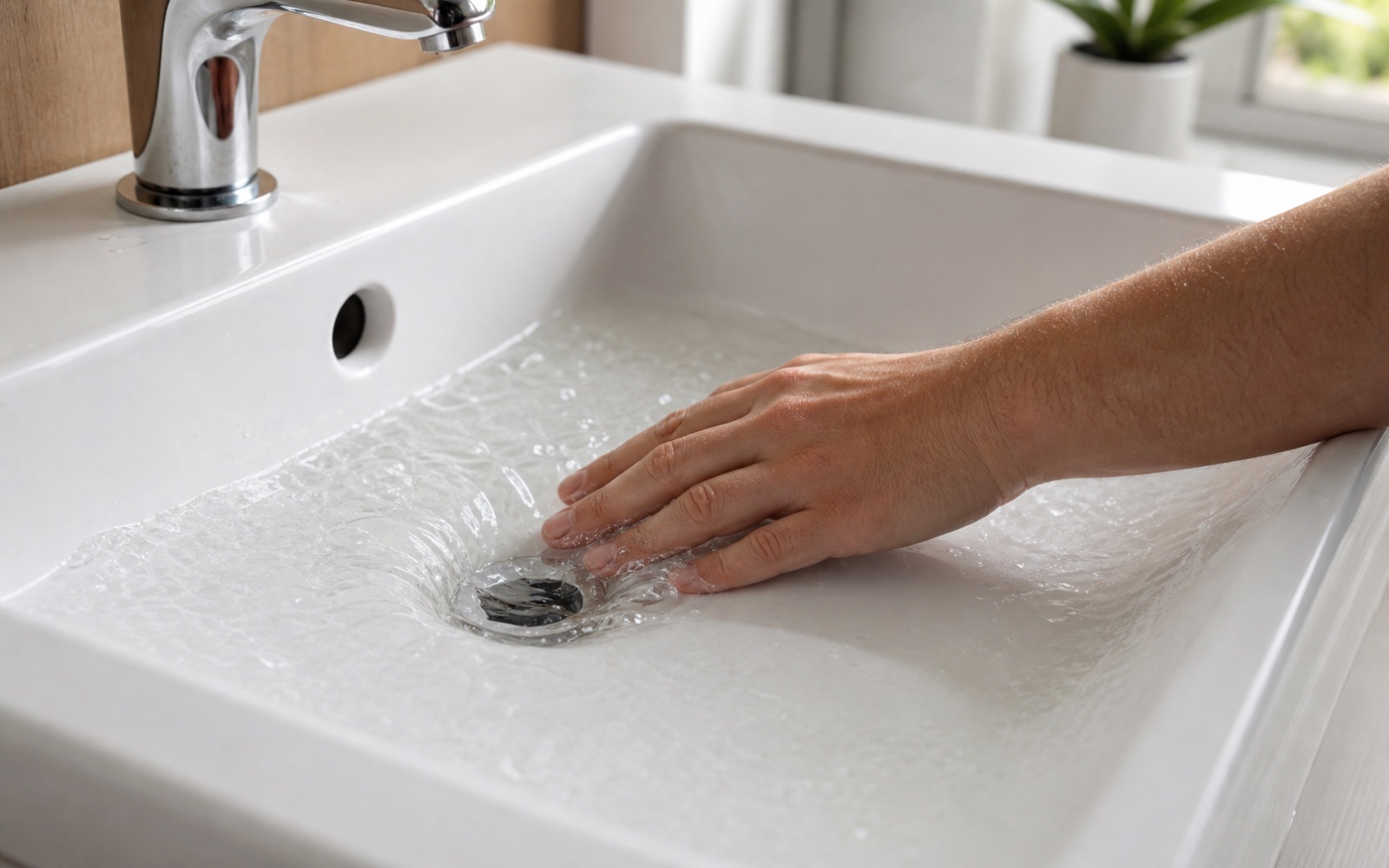
A slow drain and a full clog feel like the same problem, but they call for very different responses. One you can usually handle yourself in twenty minutes. The other is a warning that something bigger is building, and how you react decides whether it's a quick fix or a flooded floor. It's one of the most common drain questions we field from Calgary homeowners, so here's how to tell the two apart and what to do with each.
How to tell which one you've got
A slow drain still works — water goes down, just lazily. It pools a little before disappearing, the shower fills around your ankles, the sink takes its time. The blockage is partial and usually close to the fixture.
A full clog stops the water entirely, or backs it up. The sink fills and stays full. Water rises out of another drain when you run a fixture. You hear gurgling. This means the line is blocked and has nowhere to go.
The other clue is how many fixtures are affected:
- One slow fixture = a local clog in that trap or branch. Usually DIY.
- Several fixtures slow or backing up together = the shared branch or main line. That's a pro's job, and snaking it blind can make it worse. In older Calgary homes, tree roots and scaled cast-iron in the main are a frequent culprit when the whole house backs up at once.
What to do about a slow drain
Catch it early and it stays easy:
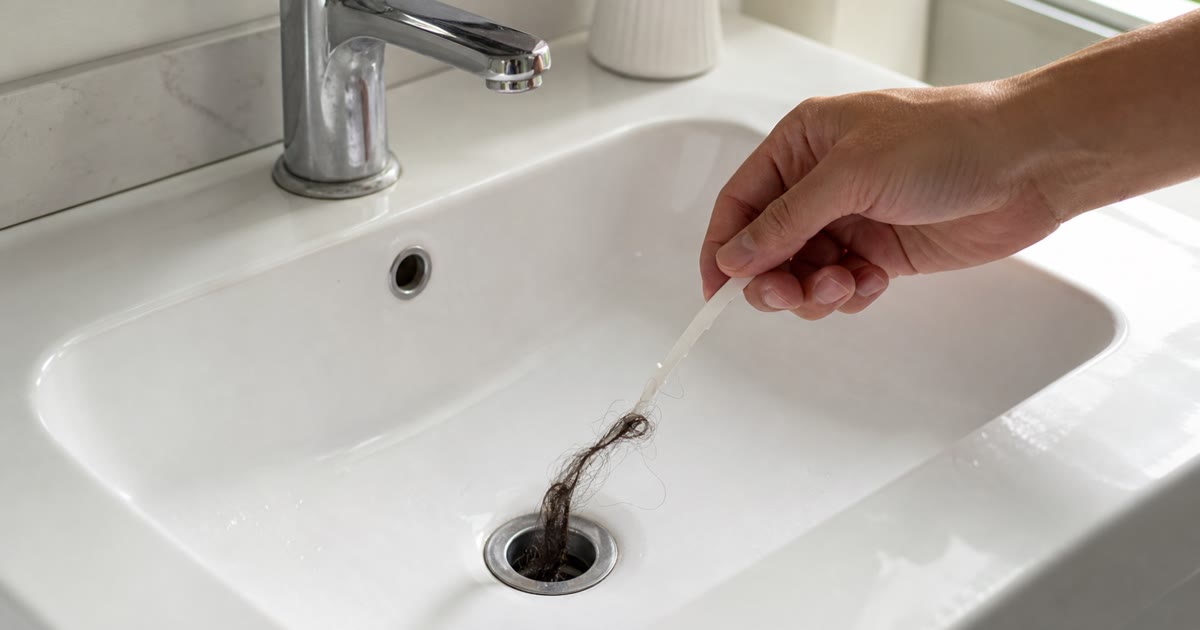
- Clear the visible stuff. Pull the stopper or strainer and remove hair, grit, and gunk. A zip-it tool reaches further in a bathroom drain.
- Flush with very hot water. In the kitchen, boiling water in two or three stages softens grease.
- Plunge it. Seal a double sink's other drain with a wet rag, add enough water to cover the plunger cup, and give it 6–8 firm pumps.
- Open the P-trap. Bucket underneath, unscrew the slip nuts, clear and rinse the trap. Nine times out of ten the clog is right there.
What to do about a full clog
Speed and caution both matter:
- Stop adding water to the blocked fixture. Don't run the dishwasher or another tap into the same line.
- Don't reach for chemical cleaner. On a full clog it just sits on top of the blockage in a basin of standing water — now you've got a caustic pool to deal with.
- Try a plunger and the trap once. If it's local, this clears it.
- If it won't move, or water comes up elsewhere, stop. That's a line blockage past DIY reach.
Stopping the next one
Once a drain is flowing again, a few habits keep it that way:
- Strain it. A mesh hair catcher in tubs and showers, a basket in the kitchen sink. Most clogs never form if the cause never enters the pipe.
- Flush with hot water after greasy dishes, and run water through low-use drains weekly so nothing settles and sets.
- Don't wait on a slow drain. The moment a fixture starts draining lazily, clear it — that's the cheapest, easiest point to deal with it.
The difference between a slow drain and a full clog is often just time. Treat the slow one early and you rarely meet the full one.
Quick tip: a drain that's been getting slower for weeks is a clog in slow motion. Clear it while it's still draining at all — waiting until it's fully blocked turns a ten-minute job into an emergency, often at the worst possible time on a cold Calgary night.
When to call a pro in Calgary
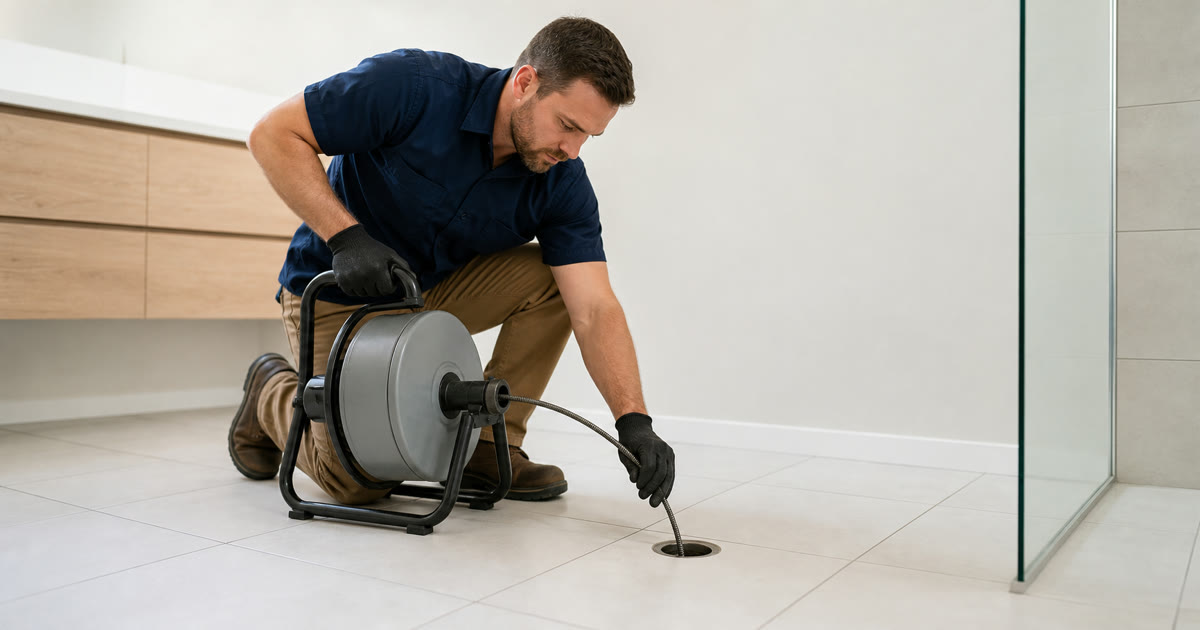
A licensed plumber handles anything in the wall, but for the drain line itself, YOFF clears it with a proper auger. Call when:
- More than one fixture is slow or backing up.
- The clog returns within a day or two of clearing it.
- Water backs up out of another drain, or you smell sewer gas.
Not sure if yours is just slow or fully blocked? YOFF drain cleaning sorts it out fast anywhere in Calgary. Get a free quote — and you only pay if we fix it. No Fix — No Fee.
Rather have YOFF handle it?
We cover drains and more across Calgary and nearby communities — booked fast, done right. No Fix — No Fee.