Toilet Replacement Calgary: Signs It's Time and What to Expect
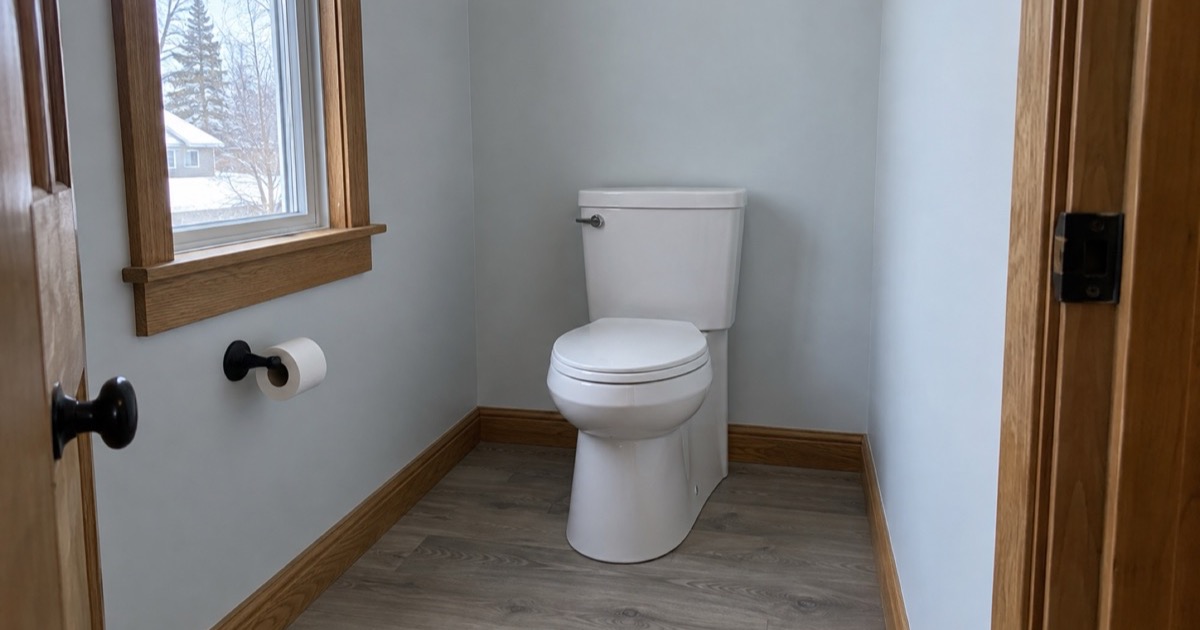
Most toilets last for decades, which is exactly why people keep patching them long after they should have been swapped out. A new gasket here, a fresh flapper there, and suddenly you've spent more on repairs than a new toilet would have cost. If you're weighing toilet replacement in Calgary, this guide shows the clear signs it's time, what the job involves, and how to avoid the common mistakes.
Signs it's time for toilet replacement in Calgary
Some problems are fixable. Others are the toilet telling you it's done. Look for these:
- Cracks in the bowl or tank. Even a hairline crack in the porcelain can widen or leak without warning. A cracked tank or bowl is not a repair job.
- Water around the base. If the floor is damp after you've replaced the wax ring, the flange or the porcelain may be damaged.
- Constant clogging. Older, high-volume designs and worn-out internal passages can clog again and again, even with a good plunger.
- Rust or stained porcelain that won't clean. Deep staining and a rough, worn glaze make a bowl harder to keep clean.
- A toilet that keeps running. If you've already tried the fixes in our guide to running toilet causes and fixes and it still won't settle, the parts may be obsolete or the tank may be worn.
- Repeated repairs. Three or four visits in a couple of years is a good sign that replacement is the cheaper path.
- Rocking you can't fix. A toilet that wobbles because the porcelain itself has cracked or the floor has soft spots needs more than a reseal.
Many older Calgary homes, including the bungalows of Haysboro and Acadia and the split-levels of Brentwood, still have toilets that are decades old. Older models can use far more water per flush than current ones.
Repair or replace? A quick way to decide
Ask yourself three questions:
- Is anything cracked? If yes, replace it.
- Is it a single, cheap part? A flapper, fill valve or wax ring is a reasonable repair on a toilet in good shape.
- Have you repaired it more than once for the same problem? If so, replace it.
If your toilet is only wobbly, check out how to fix a wobbly toilet first. Many wobbles are solved by resetting and resealing the toilet, with no new unit required.
Why newer toilets are worth it in Calgary
Toilet design has changed a lot. Toilets built before the mid-1990s can use up to about 7 gallons per flush. The current federal standard is 1.6 gallons per flush, and WaterSense-labelled models use at least 20% less than that, typically about 1.28 gallons per flush or less, according to the EPA's WaterSense program.
That matters in Calgary for a few reasons:
- Lower water use means a lower water bill over the life of the toilet.
- Modern bowl designs flush more effectively with less water, so fewer double flushes.
- Cleaner lines are easier to wipe down than older, rougher bowls.
- Possible rebates. The City of Calgary has run toilet and water-saving fixture rebate programs over the years. Check the City's website for current eligibility before you buy, because programs, funding and dates change.
Choosing a new toilet
You don't need to overthink it, but a few details matter:
Rough-in size. This is the distance from the wall to the centre of the floor drain. The standard is 12 inches, but older homes can be different. Measure before you shop.
Round or elongated bowl. Elongated bowls are more comfortable and are the common choice. Round bowls save a little space in tight Calgary condo bathrooms and powder rooms.
One-piece or two-piece. One-piece toilets are easier to clean and often look sleeker. Two-piece toilets are usually cheaper and easier to carry through a narrow stairwell.
Height. Comfort-height (taller) seats are easier on knees and backs. Standard height can work better for smaller users.
Flush type. Gravity-fed toilets are simple and reliable. Pressure-assist models are louder but powerful. Dual-flush saves water by letting you pick a lighter flush.
Buy from a reputable retailer anywhere in Alberta, and keep the box handy until the installation is finished, in case something is damaged.
What to expect during toilet replacement
A typical replacement with a YOFF technician follows these steps:
- Shut off the water at the toilet's supply valve and flush to empty the tank.
- Disconnect the supply line and remove the tank and bowl.
- Remove the old wax ring and scrape the flange clean.
- Inspect the flange and floor. This is the moment problems show up. A cracked flange or soft subfloor needs attention before the new toilet goes on.
- Set a new wax ring and lower the new toilet straight onto the flange.
- Secure the bolts evenly, tightening a little at a time so the porcelain doesn't crack.
- Connect the supply line, turn the water on and check for leaks.
- Test the flush, check that the toilet is level and doesn't rock, and caulk around the base if needed.
- Haul away the old toilet so it's not left in your garage.
For a straightforward swap, the job is usually done in a couple of hours. Surprises like a damaged flange or a leaking shut-off valve can add time.
Common problems found during replacement
Even a simple job can uncover issues. The most common in Calgary homes:
- A corroded or seized shut-off valve. Old valves can fail when they're turned for the first time in years. Replacing a worn valve at the same time is cheap insurance.
- A damaged flange. The ring on the floor that the toilet bolts to can crack or rust.
- A soft or stained floor. A slow leak around the base can damage the floor underneath.
- Hard water scale. Calgary's water is hard, and mineral buildup can affect valves and fittings. If you notice buildup across your fixtures, see our guide on hard water buildup on faucets in Calgary.
If your floor has water damage or the problem sits inside the wall, that's a job for a specialized contractor. A YOFF technician will tell you plainly what's visible and what isn't.
DIY or call a technician?
Replacing a toilet is doable for a confident DIYer, but it's heavy, awkward and unforgiving. A porcelain toilet can weigh 40 to 100 pounds, and an uneven or over-tightened bolt can crack the base. A poorly set wax ring can leak slowly for months before you notice.
Call a technician if:
- You're not comfortable lifting and positioning the toilet.
- The shut-off valve won't close fully.
- You find rot, rust or a damaged flange.
- The toilet is in a basement, ensuite or second-floor bathroom where a leak would cause real damage.
- You want it done right the first time. YOFF's No Fix, No Fee policy means you pay for results.
FAQ
How long does a toilet last? Many toilets work for decades, but age alone isn't the issue. Cracks, leaks, repeated clogs and constant repairs are better reasons to replace than a number on the calendar.
How long does toilet replacement take? A standard replacement in a Calgary home usually takes a couple of hours, assuming the flange and shut-off valve are in good shape.
Can I keep my old toilet seat? Often yes, if it matches the new bowl shape and the bolts fit. Many people buy a new seat with the toilet.
Is a cracked toilet an emergency? A hairline crack in the bowl can sit for a while, but a cracked tank can fail suddenly and flood the floor. If you see water leaking from a crack, shut off the supply valve and book a replacement.
Will a new toilet save water? Replacing a very old, high-volume toilet with a modern WaterSense-labelled model can cut water use noticeably, and many Calgary homeowners see that on their water bill.
Ready for a new toilet in Calgary?
If your toilet is cracked, leaking or constantly in need of repair, replacement is usually the smarter move. YOFF Home Services handles toilet replacement across Calgary, from older homes in Acadia and Haysboro to newer builds in Falconridge. Get in touch and we'll remove the old one, set the new one, seal it properly and test it before we leave.
Rather have YOFF handle it?
We cover faucets and more across Calgary and nearby communities — booked fast, done right. No Fix — No Fee.