Deadbolt Not Latching in Calgary? Strike Plate Fix
You turn the key, the thumb-turn spins, and the bolt either stops halfway or won't slide out at all. A deadbolt not latching is one of the most common door problems in Calgary homes, and it usually has nothing to do with the lock itself. In most cases the bolt and the hole it is supposed to enter have drifted out of line.
The good news: you can diagnose it in about five minutes with a pencil and a screwdriver. Here is how.
Why a deadbolt stops latching in Calgary
A deadbolt is a simple part. A metal bolt slides out of the door edge and into a hole drilled in the door frame, covered by a metal strike plate. If the bolt and the hole do not line up, the lock cannot do its job.
Calgary's climate is hard on that alignment:
- Big temperature swings. A chinook can lift a winter day from deep cold to well above freezing within hours. Wood doors and frames expand and shrink with moisture and temperature, and the door shifts a little each time.
- Dry winter air. Heated homes in Alberta get very dry in winter, so frames and doors can shrink and move.
- Settling in newer neighbourhoods. Homes in newer areas such as Cranston, Mahogany or Evanston can settle in the first few years, which pulls door frames slightly out of square.
- Older homes. In established areas like Acadia, Haysboro or Bowness, decades of use loosen hinges and strike plate screws.
- Sagging hinges. A heavy exterior door that has dropped even a few millimetres changes where the bolt lands.
So the door is the usual suspect, not the lock. Check that before you spend money on new hardware.
Step 1: Find out what is actually wrong
Open the door and test the lock on its own.
- Turn the thumb-turn or key with the door open. The bolt should slide out smoothly and retract fully.
- If the bolt sticks or moves slowly even with the door open, the problem is inside the lock. See the section on worn locks below.
- If it works freely with the door open, close the door and try again. When it jams only with the door closed, you have an alignment problem.
This single test saves hours of guessing. A free-moving bolt means the lock is fine and the door or frame needs adjusting.
Step 2: Mark where the bolt hits
You need to see exactly how far off the bolt is.
- Rub a little lipstick, chalk or pencil graphite on the end of the bolt.
- Extend the bolt, then close the door and turn the lock so the bolt presses against the frame.
- Open the door. The mark on the frame shows where the bolt actually lands.
Compare that mark to the hole in the strike plate. Is it too high, too low, or too far toward the door stop? The direction of the miss tells you the fix.
Step 3: Tighten the hinges first
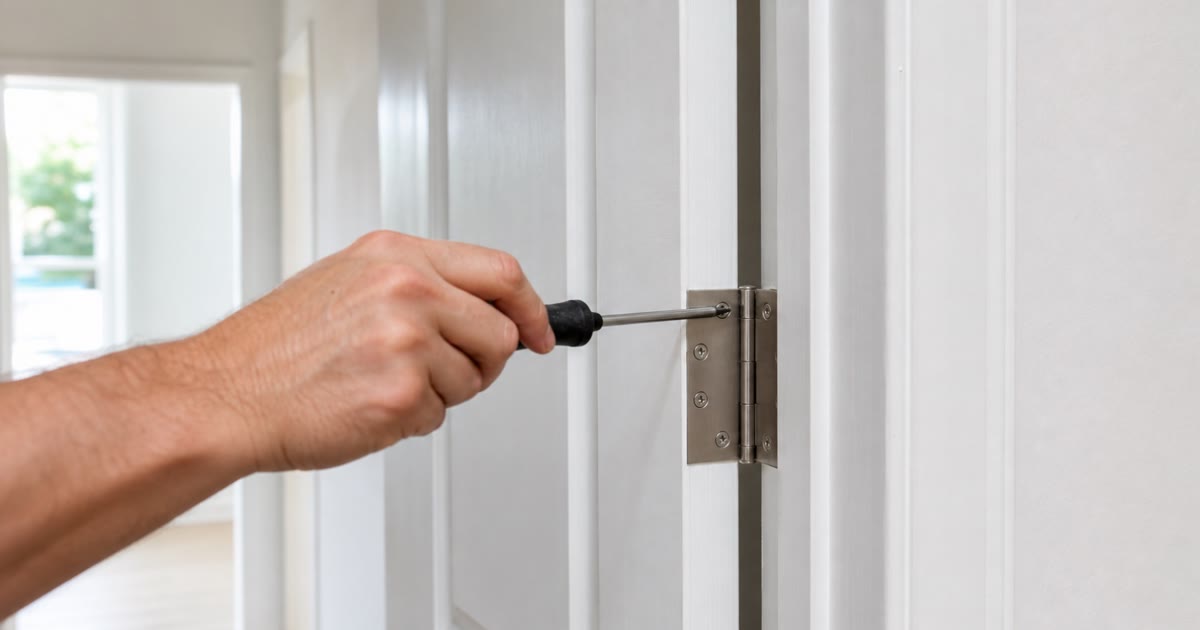
Before touching the strike plate, tighten the door's hinge screws. A sagging door is the number one reason a bolt misses its hole.
- Tighten every hinge screw, starting with the top hinge, which carries the most weight.
- If a screw just spins, the hole is stripped. Fill it with a few wooden toothpicks and wood glue, or use a longer screw that bites into the wall framing behind the jamb.
Close the door and test the lock again. Many deadbolts start working after this step alone. If you want more detail on door sag, our guide to fixing sticking and misaligned doors walks through it.
Step 4: Adjust or move the strike plate
If the hinges are tight and the bolt still misses, adjust the strike plate.
For a miss of a few millimetres:
- Unscrew the strike plate.
- Use a small round file to enlarge the hole in the direction the bolt needs to go.
- Refit the plate and test.
For a bigger miss:
- Remove the plate and look at the hole behind it.
- Reposition the plate so it lines up with your mark. You may need to chisel a little extra wood out of the frame for the plate to sit flush.
- Fill the old screw holes with wood filler or toothpicks and glue so the new screws grip firmly.
- Drill a pilot hole before driving each screw so the frame does not split.
Check the depth too. The bolt should enter the frame deeply. A bolt that only just catches the edge of the hole gives you almost no security, and cold-season door movement can make it fail again. A long-screw upgrade, described below, helps here.
Step 5: Upgrade the strike plate screws
A deadbolt is only as strong as what holds the strike plate in place. Short screws that only bite into the thin door jamb are a weak point.
- Replace the short screws with 7-8 cm (3 inch) screws that pass through the jamb and into the framing behind it.
- This holds the frame firmly, reduces movement, and makes it much harder to kick the door in.
- Many hardware stores in Calgary sell reinforced strike plates with extra-long screw sets for this exact job.
It is a cheap upgrade that improves both alignment and security.
Common mistakes to avoid
- Forcing the key or thumb-turn. If the bolt resists, do not crank the lock. You can break the mechanism and end up locked in or out.
- Spraying oil into the lock. Oil collects dust and gets gummy in cold weather. If the lock needs lubricating, use a dry graphite or Teflon-based lock lubricant.
- Planing the door right away. Planing is the last resort, not the first move. Fix hinges and the strike plate first.
- Leaving the door unlocked. A deadbolt that will not latch is not doing its job. If you cannot fix it quickly, secure the door another way until it is repaired.
Cold snaps and seasonal fixes in Calgary
A lock that works fine in September can stick in January. A few seasonal habits help:
- Check alignment at the change of seasons. Do a quick lock test in spring and fall, when frames move the most.
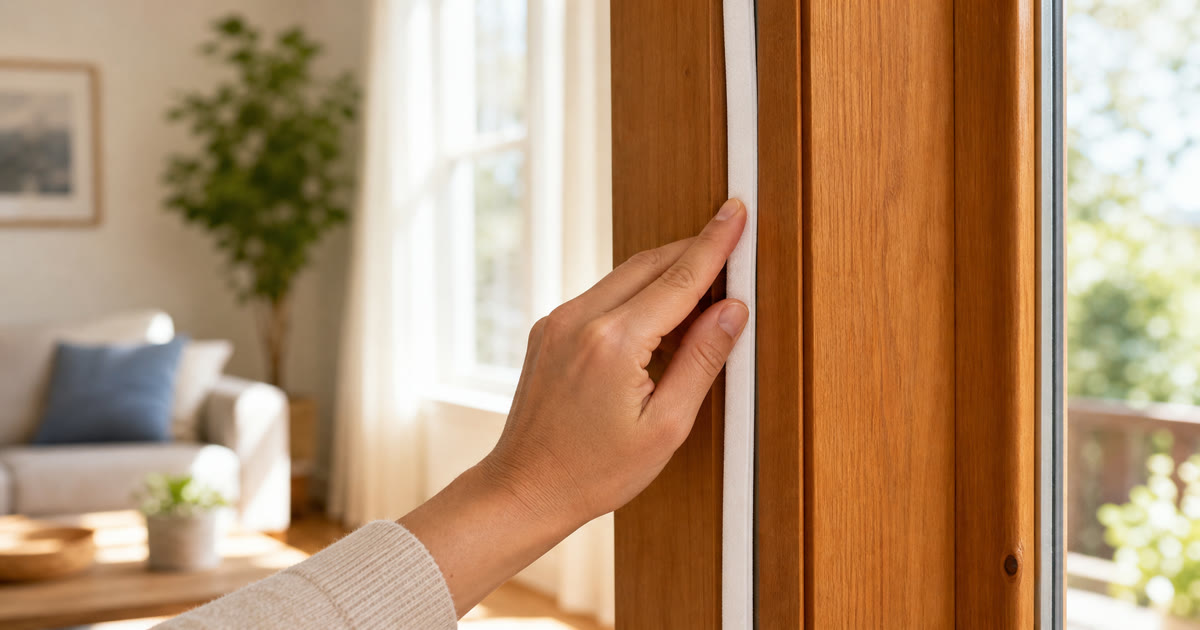
- Seal the gaps. Worn weatherstripping lets cold air blow around the lock area, and cold air drops the temperature inside the door itself. Our guide to door and window weatherstripping in Calgary covers it.
- Keep the lock clean. Wipe the bolt end and the strike plate with a dry cloth now and then. Dirt and ice in the hole can stop the bolt too.
- Don't ignore a loose handle. A wobbly handle often signals loose hardware elsewhere on the door. See loose door handle repair in Calgary.
When the lock itself is the problem
If the bolt sticks even with the door open, the cause is usually inside the lock:
- Worn internal parts after years of use
- A loose lock body or a bent bolt
- Cold-weather stiffness from old lubricant
- Damage from an attempted break-in
You can try removing the lock, cleaning it, and applying dry lubricant. If it still binds, replacing the deadbolt is usually faster and cheaper than repair. A new deadbolt installed correctly in an aligned door should last for many years.
When to call a Calgary handyman
DIY works for most alignment problems. Call a handyman if:
- The frame is cracked, split or rotted around the strike plate
- The door has dropped so far that the hinges need to be re-set
- The bolt hole needs re-drilling or the frame needs a patch
- You are replacing the deadbolt and want it fitted correctly the first time
- You have tried the steps above and the lock still will not latch
A YOFF technician can check the door, align the strike plate, reinforce the frame with long screws, and test the lock before leaving. It is a short visit for most Calgary homes, and it gets your door secure again quickly. Backed by our No Fix, No Fee promise.
FAQ
Why does my deadbolt only latch when I lift the door? That is a classic sign of a sagging door. The door has dropped slightly on its hinges, so the bolt sits below the hole. Tighten the hinge screws, especially the top hinge, and test again.
Can cold weather stop a deadbolt from latching in Calgary? Yes. Temperature swings and dry winter air make doors and frames move. Frost or ice in the strike hole can also block the bolt. Clean the hole, check alignment and use dry lock lubricant instead of oil.
Do I need to replace the deadbolt or just the strike plate? Usually the strike plate or the door alignment is the problem. Test the bolt with the door open. If it moves freely, the lock is fine. If it sticks even when the door is open, replace the deadbolt.
How long should deadbolt strike plate screws be? Long screws, around 7-8 cm (3 inches), that reach through the jamb into the wall framing, give much better holding power than the short screws that usually come with the plate.
Can a handyman fix a deadbolt that will not lock? Yes. A handyman can realign the strike plate, tighten or reset the hinges, repair a damaged frame and install a replacement deadbolt if needed.
Get your door locking properly again
A deadbolt that will not latch is more than an annoyance. It leaves your home less secure, especially through a long Calgary winter. If you would rather not spend a Saturday with a chisel, YOFF Home Services can handle it. Book a visit for door and lock alignment anywhere in Calgary and surrounding Alberta communities.
Rather have YOFF handle it?
We cover handyman and more across Calgary and nearby communities — booked fast, done right. No Fix — No Fee.