Exterior Caulking in Calgary: A Fall Guide to Finding and Sealing Small Gaps

Small cracks in exterior caulking are easy to miss—until wind-driven rain, melting snow, or a cold Calgary night finds them first. A quick fall inspection around windows, doors, trim, and exterior wall penetrations can catch a minor maintenance job before it turns into stained drywall, damp trim, or a stubborn draft. This guide shows Calgary homeowners what to look for, what they can safely tackle, and when a handyman should take over.
Why exterior caulking matters in Calgary
Exterior caulking is the flexible seal between different parts of a home's exterior: a window frame and siding, a door frame and stucco, or a vent hood and the wall around it. Its job is simple: keep bulk water and outdoor air from taking the wrong path into the house.
That seal works hard in Calgary. Alberta sun, dry spells, wind, hail, and rapid temperature changes all make exterior materials move at different rates. A narrow bead that once sat tight against the wall can eventually pull away, crack, or lose its grip. In older Calgary neighbourhoods such as Acadia, Haysboro, and Bowness, repairs or additions made at different times can also leave several types and ages of sealant on one wall.
The goal is not to caulk every line you can see. The goal is to restore failed exterior seals while leaving intentional drainage and ventilation openings alone.
Start with a dry-day walk-around
Choose a dry Calgary day with enough daylight to see the wall clearly. Bring a flashlight, a notepad, and your phone for photos. Walk slowly around the home and look at the same details on every side.
Pay closest attention to these areas:
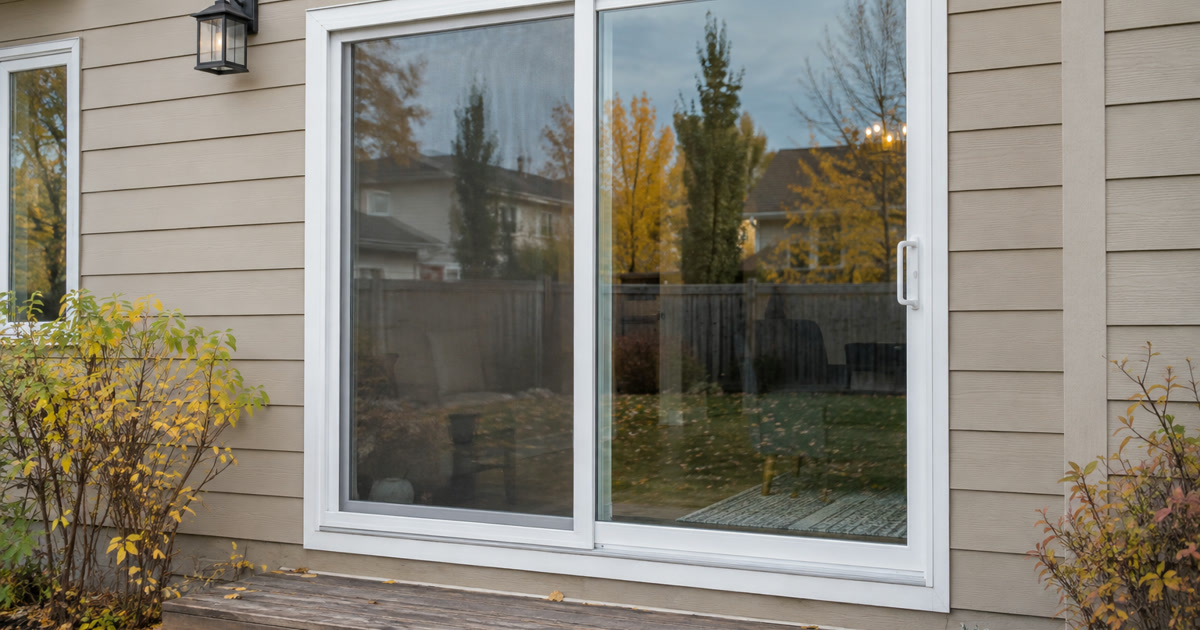
- Window and door perimeters. Look where the frame meets stucco, siding, brick, or trim. A gap at a top corner or a split along the sill deserves a closer look.
- Trim joints and corners. Vertical trim boards, fascia transitions, and decorative elements can open where two pieces meet.
- Wall penetrations. Check the exterior finish around hose bibs, dryer vents, exhaust hoods, cable entries, and other fixtures. These are common places for a seal to separate from the wall.
- Garage-to-house transitions. Calgary attached garages often have several material changes around the service door and adjacent trim. Look for gaps without trying to seal any mechanical vents.
- Previous repairs. Different-coloured, brittle, or visibly smeared caulk often signals that a Calgary repair needs a cleaner redo.
Use the flashlight at a shallow angle across the bead. Shadows make small splits easier to spot. Photograph anything questionable so you can compare it after a chinook, rainstorm, or Calgary winter.
How to tell whether the caulk has failed
A healthy exterior sealant bead is continuous, attached on both sides, and still flexible enough to move with the materials around it. It does not need to look perfect to do its job.
Plan a repair when you find:
- a visible gap between the caulk and the window, door frame, trim, or wall;
- cracks running through the bead;
- loose sections that lift away with a gentle touch;
- crumbling, chalky, or missing material;
- staining, soft trim, peeling paint, or recurring dampness beside the joint.
Do not use caulk as a cosmetic cover for an active leak. If a Calgary window has stained interior drywall, soft wood, a loose exterior trim board, or water appearing after rain, the source may be behind the cladding. That needs an assessment before a new bead hides the evidence.
What not to seal
This is the part that prevents a well-meant DIY repair from trapping water. Calgary homes need some openings to drain or ventilate properly.
Leave these alone unless a qualified exterior specialist has instructed otherwise:
- weep holes at the bottom of window frames;
- brick weep openings;
- siding laps and other designed drainage paths;
- soffit, roof, and appliance vents;
- gaps that are actually moving joints requiring a specific exterior system.
When in doubt, take a close photo rather than applying sealant. A Calgary handyman can identify whether a line is a failed joint or a deliberate exit path for moisture.
A practical DIY repair for a small, accessible joint
For a short, dry, stable gap around accessible exterior trim, many Calgary homeowners can handle the prep and reseal themselves. Work only from secure ground or a stable ladder you know how to use. Skip high work, damaged cladding, and anything close to electrical equipment.
1. Remove only loose, failed material
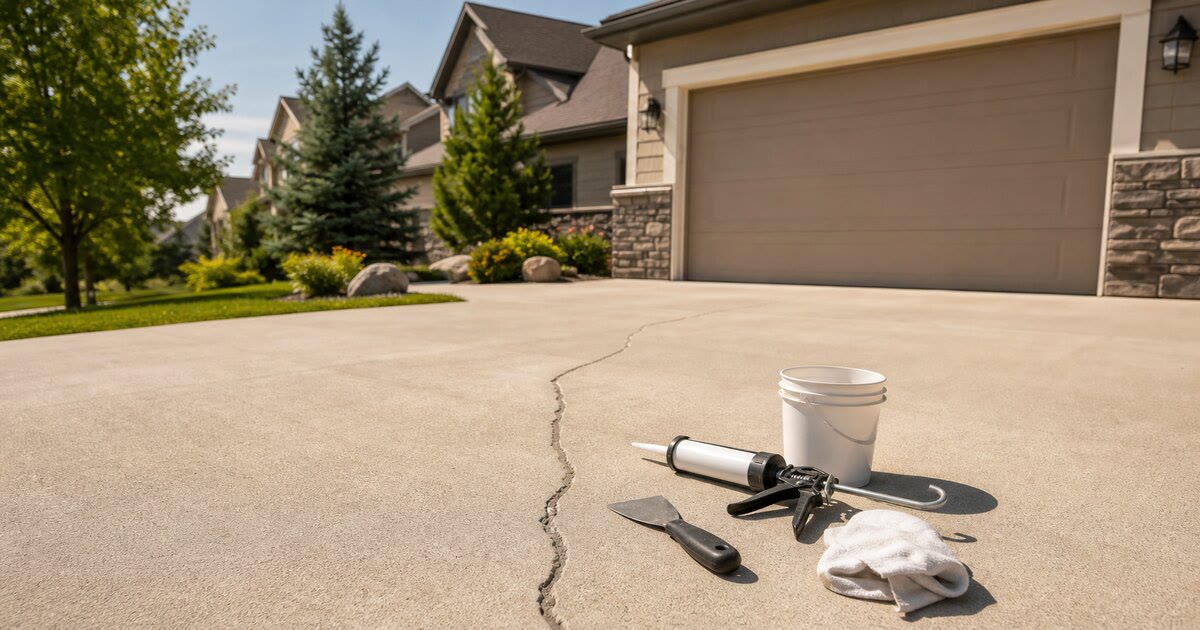
Use a utility knife or caulk-removal tool carefully to lift out cracked or detached caulk. Do not gouge window frames, siding, or stucco. The new bead needs clean, sound surfaces to adhere to; applying it over loose material usually creates another short-lived Calgary repair.
2. Clean and dry the joint
Brush away dust and loose paint. Wipe the surfaces as directed by the sealant manufacturer, then let the area dry completely. Calgary's dry air can help, but a shaded wall or a joint after rain may hold moisture longer than it looks like it does.
3. Choose an exterior-rated flexible sealant
Read the label for compatibility with the surfaces you are joining—such as painted wood, vinyl, metal, stucco, or masonry. Look for an exterior product intended to stay flexible through Alberta weather. The best product depends on the joint and finish, so do not assume one tube works everywhere around a Calgary home.
4. Apply a modest, continuous bead
Cut the nozzle smaller than you think you need. Run one steady bead along the gap and tool it lightly for good contact on both sides. More caulk is not automatically better: an oversized bead can look messy, crack sooner, and make later maintenance harder.
5. Respect cure conditions
Follow the label for application temperature, rain exposure, and cure time. Calgary evenings can cool quickly in fall, so start early enough for the material to set under the manufacturer's conditions. If the forecast is uncertain, wait for a better weather window instead of rushing the job.
Common Calgary trouble spots by home type
Every exterior is different, but a few patterns come up often during Calgary fall maintenance.
Stucco homes: Check edges around windows, doors, trim, and exterior fixtures. The concern is the joint where unlike materials meet—not random hairline marks in the stucco field. If cracks are widening or repeat after a repair, have the area assessed rather than continuously adding caulk.
Older wood-frame homes: In communities like Mount Pleasant, Inglewood, and Renfrew, painted trim and older window details may have accumulated several previous repairs. Look for soft wood, peeling paint, and gaps at end joints. A new bead alone cannot fix decayed trim.
Newer siding homes: In Calgary communities such as Seton, Evanston, and Mahogany, inspect around trim, doors, exterior outlets, and wall penetrations. Keep siding drainage details clear; sealing the wrong horizontal gap can direct water where Alberta homes do not want it.
Townhomes and condos: Check your maintenance responsibility before touching the exterior. In Calgary, a condominium corporation may control windows, cladding, and common exterior elements even where a joint is beside your unit.
When to call a Calgary handyman
DIY is a good fit for a small, easy-to-reach seal replacement on sound materials. Call for help when the job involves more than the bead itself:
- the gap is high, difficult to reach, or requires extensive ladder work;
- trim is loose, soft, warped, or needs repair before sealing;
- you see recurring water marks, mould-like staining, or damp interior finishes;
- the joint is around a window or door that has shifted, sticks, or no longer closes squarely;
- there are several failed areas around the Calgary home and you want a systematic fall check.
A handyman can clean up accessible failed caulking, repair minor trim issues, and flag problems that need a window, roofing, siding, or building-envelope specialist. That is a much better outcome than sealing over a larger issue.
Put exterior caulking on your Calgary fall checklist
Add this task to your Calgary fall home-maintenance routine before persistent cold and snow make exterior work inconvenient. A walk-around takes little time, and documenting small changes helps you spot whether a problem is stable or getting worse. For Alberta homeowners, the useful habit is simple: inspect, repair only true failed joints, and leave drainage details free to do their job.
If your Calgary home has several cracked joints, tired trim, or hard-to-reach gaps, YOFF can help with practical exterior maintenance and minor repairs. Our handyman team can handle the accessible fixes and give you a clear next step when the job calls for a specialist.
Rather have YOFF handle it?
We cover seasonal and more across Calgary and nearby communities — booked fast, done right. No Fix — No Fee.