Garburator Replacement Calgary: Signs Your Unit Is Done
Most garburators don't die dramatically. They get louder, slower and smellier for a year or two, then one night the sink backs up or a puddle shows up in the cabinet. If you're searching for garburator replacement in Calgary, the real question is usually: fix it or swap it? This guide helps you decide in about five minutes.
How long a garburator should last
Most sources put the typical lifespan of a household garbage disposal at roughly 10 to 15 years, depending on build quality, how it's used and how well it's looked after. Budget units with a small motor often land at the shorter end. Heavy-duty units that get fed carefully can go longer.
In Calgary, two things shorten that window:
- Hard water. Alberta's mineral-rich water leaves scale on the grind ring, seals and drain flange. Over the years it makes seals brittle and parts rough.
- Old kitchens. In 1970s and 80s homes in Brentwood, Haysboro or Acadia, the original unit may be well past its prime, and the connections under it are just as tired.
If yours is near the 10-year mark and starting to misbehave, replacement usually makes more sense than repeated repairs.
7 signs your garburator is done
1. It leaks from the body or the bottom
A drip from the housing or from the underside means a failed seal or a cracked casing. A leak at the sink flange can sometimes be re-sealed. A leak from the body itself cannot be fixed, so the unit has to go.
Don't wait on this one. The particle-board cabinet bases common in many Calgary kitchens swell and crumble fast once they stay wet. If you suspect a leak, our guide to how to inspect a kitchen sink cabinet for leaks shows what to look for.
2. It hums but the impellers won't free up, again and again
One jam is normal. You switch it off, turn the hex slot underneath with an Allen key and press the reset button. If you're doing that every week, the motor or the grinding parts are worn out.
3. It's completely dead
No hum, no sound at all. Check the red reset button on the bottom and the breaker first. If both are fine and the unit still does nothing, the motor has most likely burned out. Replacement is the practical fix.
4. Grinding or metal-scraping noises
A rattle from a dropped spoon is one thing. A constant metallic scrape or a rough grinding sound means the internal parts are damaged or loose. It won't get better.
5. Constant clogs and slow draining
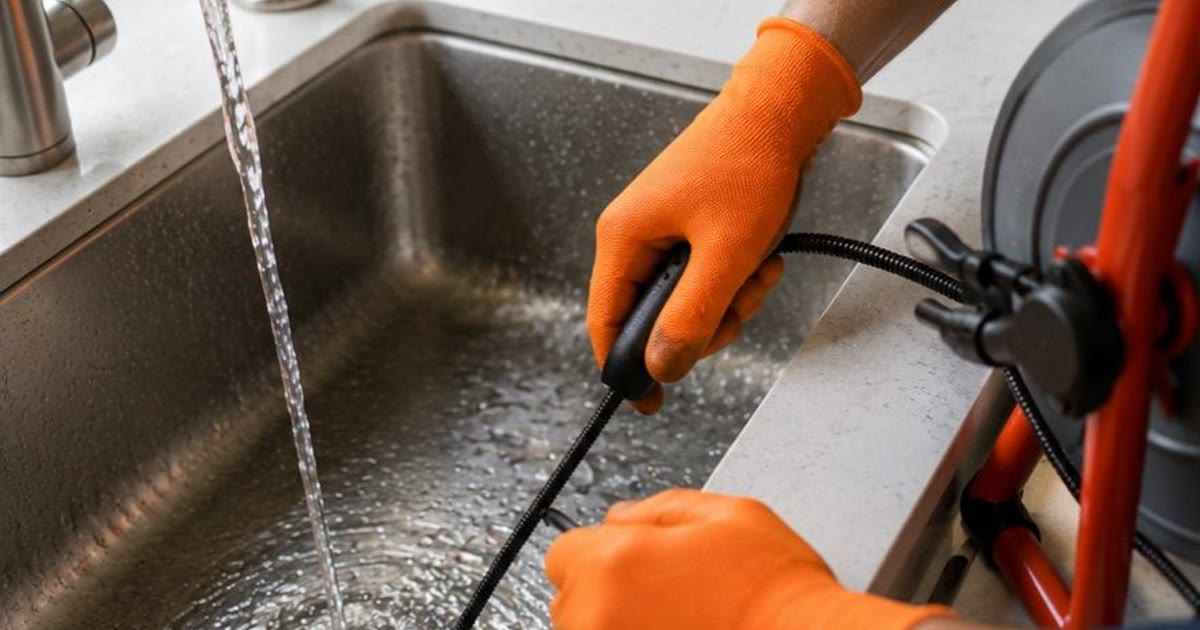
If the sink backs up even though you do everything right, the unit may no longer be grinding food finely enough. Coarse bits settle in the trap and pipe and build a clog. First rule out a downstream blockage: see our guide on slow drain vs full clog. If the pipe is clear but the problem keeps coming back, the unit is the weak link.
6. Odours that cleaning doesn't remove
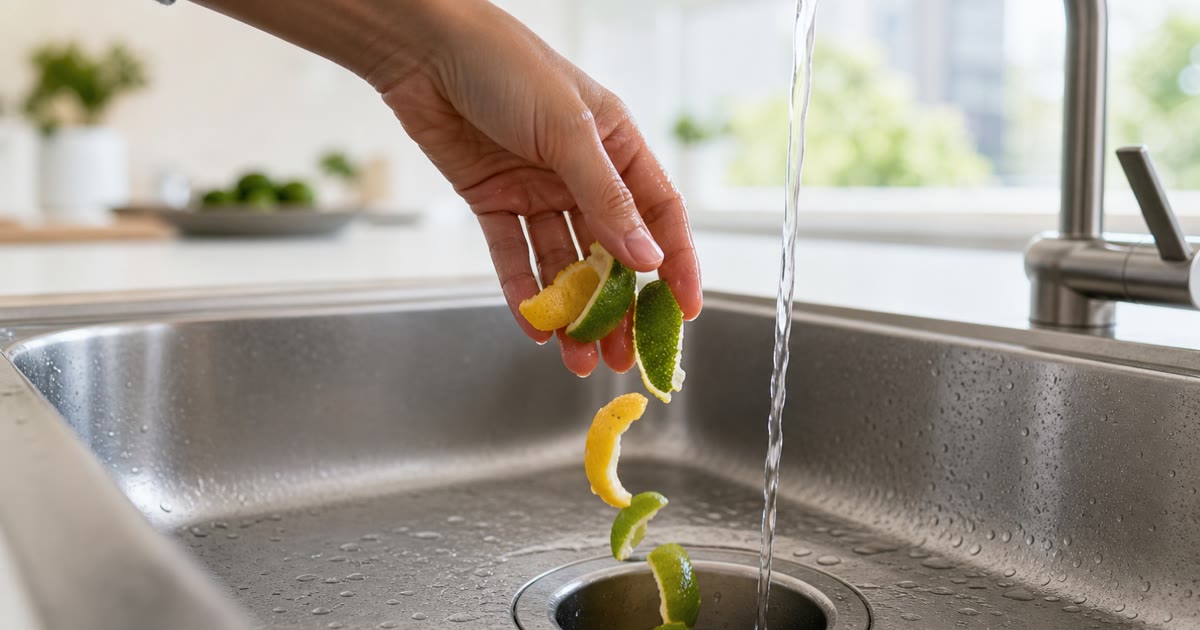
Ice, salt and citrus peels handle ordinary smells. If a sour or rotten smell returns within a day or two of a thorough clean, food is probably trapped in worn, pitted or cracked parts you can't reach. Our garburator care guide covers the cleaning routine, so try it before deciding.
7. Visible rust, corrosion or cracks
Rust-coloured streaks on the casing, a corroded mounting ring or hairline cracks mean the unit is on borrowed time.
When a repair is still worth it
Not every problem means a new unit. These are usually fixable:
- A one-off jam after a bone, fruit pit or something that fell in. Free the impellers and reset.
- A loose drain connection where the drain pipe meets the unit. Tightening or replacing the gasket may be enough.
- A leak at the sink flange only, where the seal under the sink opening has dried out.
- A tripped reset button or breaker with no other symptoms.
Rule of thumb: if the unit is under about 8 years old and the fault is a single, clear one, repair or reset first. If it's older and has more than one problem, replace it.
What a garburator replacement involves
A standard swap is quick when the sink and the connections underneath are in decent shape. Here's the usual sequence:
- Shut off power to the unit at the breaker or unplug it.
- Disconnect the drain and dishwasher hose connections.
- Remove the old unit from the mounting ring under the sink flange.
- Check and clean the flange and drain connections. If the mounting parts are corroded or the seal is dried out, they're replaced.
- Mount the new unit and tighten it securely to the flange.
- Reconnect the drain, the dishwasher hose and the power.
- Test with running water, check for leaks and run it a few times.
If you have a dishwasher, remember to knock out the plug in the new unit's dishwasher inlet before connecting the hose. A forgotten plug is a classic reason for a dishwasher that won't drain after a swap.
Wiring is the other thing to note. Many Calgary kitchens have the unit on a plug-in cord, while some are hardwired. If the existing setup looks unsafe or non-standard, stop and have it looked at before you proceed.
Choosing a replacement unit for a Calgary kitchen
You don't need the biggest unit on the shelf. Match it to how your household cooks:
- Basic household use: a mid-range unit with a continuous-feed design is plenty.
- Big cooks or large families: step up to a stronger motor and better sound insulation.
- Quiet kitchens and open layouts: more insulation is worth paying for in modern condos and open-plan homes in places like Mahogany or Seton.
At YOFF we install the InSinkErator Badger 5 across Calgary. It's a straightforward, reliable choice for most homes.
Make the new one last
A new garburator should easily pass the 10-year mark if you treat it well:
- Run cold water before, during and for 15 to 20 seconds after use.
- Feed it small amounts at a time.
- Keep grease, bones, coffee grounds, and fibrous or starchy scraps out. Calgary's green cart accepts all food, raw or cooked, so most of this belongs there instead.
- Run it briefly every few days so it doesn't seize.
- Dissolve scale monthly with frozen white vinegar cubes, because Calgary water is hard.
When to call YOFF in Calgary
If your garburator is leaking, dead or jamming constantly, a replacement is usually cheaper and cleaner than chasing repairs. YOFF installs the InSinkErator Badger 5 across Calgary: $210 for the unit plus $120 labour, usually done in a single short visit, and we haul the old one away.
If the sink backs up while the unit runs fine, the clog is downstream, not in the garburator. YOFF drain cleaning (from $100) clears it properly, and our technician checks what caused it. Get a free quote. No Fix, No Fee.
Frequently Asked Questions
How long does a garburator last?
Most last roughly 10 to 15 years, depending on quality and use. Hard Calgary water, grease and heavy use can shorten that. Regular cleaning and small, slow feeding help it last.
Is it worth repairing an old garburator?
Usually not if it's near or past 10 years and has a leak from the body, a dead motor or repeated jams. A single simple fault on a newer unit, such as a one-off jam or a tripped reset, is worth fixing.
How long does garburator replacement take?
A standard swap with an existing mount and connections in good shape is typically a short visit. Corroded fittings or an unusual setup under the sink can add time.
Can I replace a garburator myself?
If you're comfortable with tools, you can. Make sure power is off, support the unit's weight as you remove it and test carefully for leaks. If the wiring, the mounting ring or the cabinet is in poor shape, it's best to have a technician handle it.
Why does my new garburator leak at the dishwasher hose?
Usually the hose clamp isn't tight, or the connection is slightly crooked. Re-seat and tighten it. If it keeps dripping after that, have it checked before water gets into the cabinet.
Rather have YOFF handle it?
We cover drains and more across Calgary and nearby communities — booked fast, done right. No Fix — No Fee.