
How to Descale a Shower Head: Calgary Hard Water Fix
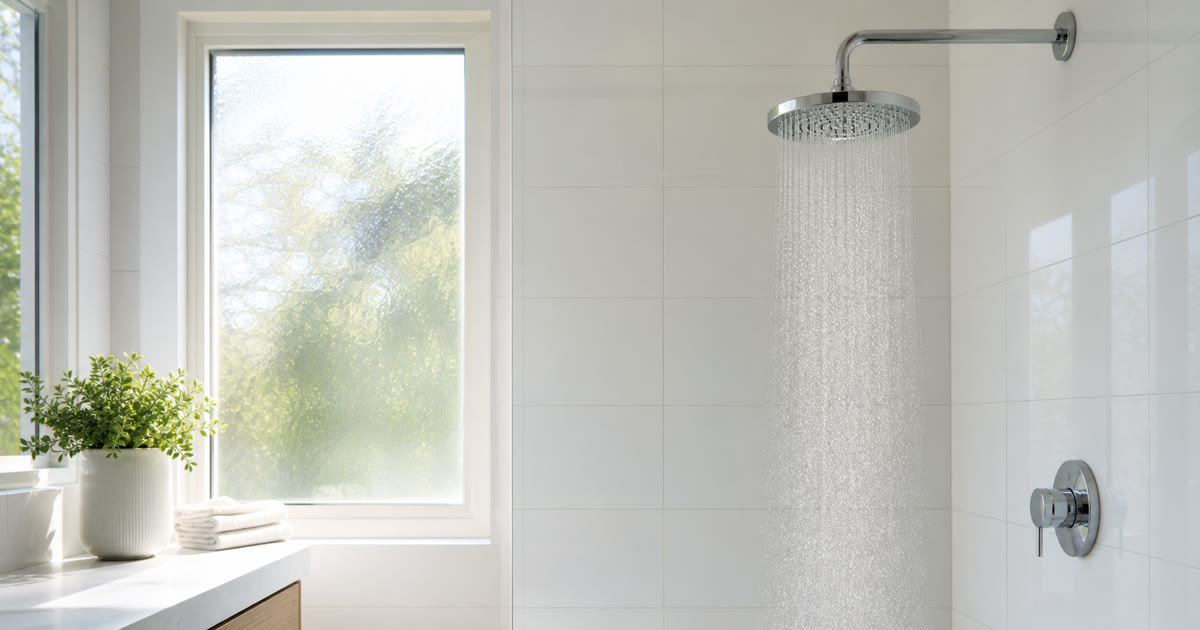
You step into the shower, turn the handle, and instead of a strong, even spray, half the nozzles shoot sideways. One jet hits the ceiling. Two dribble. And the pressure? Forget about it.
That's Calgary hard water at work. The Bow and Elbow Rivers give us beautiful drinking water, but the water is hard, carrying dissolved calcium and magnesium. Every time hot water hits your shower head, minerals precipitate out and build up inside the nozzles. Over months, that buildup chokes your spray and makes a simple ten-minute fix feel like a major repair.
It's not an emergency. It's descaling — and you can do it yourself this weekend.
Why Calgary Hard Water Is Harder on Shower Heads Than Anything Else
Calgary's water hardness shifts a little with the seasons, but the chemistry doesn't change: dissolved calcium and magnesium turn into solid limescale when water heats up. Your shower head is the perfect mineral trap because:
- Hot water accelerates precipitation. The hotter the water, the faster minerals drop out of solution. And showers run hot.
- Small nozzle openings clog fast. Modern shower heads have dozens of tiny rubber or metal jets — each one a mini trap for calcium crystals.
- Bathrooms stay warm and dry between uses. Residual water evaporates, leaving behind hard crust that builds up layer by layer.
In neighbourhoods like Brentwood, Haysboro, or Falconridge — where some homes date back to the 1960s and 1970s — you might still have the original shower head. That's decades of scale accumulation.
Signs Your Shower Head Needs Descaling
- Spray pattern is uneven, with jets shooting sideways or not at all
- Water pressure feels weaker than it did six months ago
- You see white or chalky crust around the nozzle holes
- The shower head leaks from the swivel joint
- You've cleaned everything else in the bathroom but skipped this
If you've noticed any of these, your shower head isn't broken — it's just clogged with calcium.
Method 1: The Vinegar Soak (Easiest)
This is the gentlest approach and works for most chrome, stainless steel, and plastic shower heads sold in local hardware stores.
Tools you need:
- A plastic Ziploc bag or small bucket
- White vinegar (enough to submerge the head)
- An elastic band or zip tie
- An old toothbrush
- A soft cloth
Step by step:
- Fill the bag with white vinegar — about halfway up is enough. Warm vinegar works faster; 30 seconds in the microwave does the trick.
- Bag the shower head. Slide the bag over the head so the nozzles are fully submerged. Secure with the elastic band around the neck of the shower arm.
- Wait. For light buildup, 30 minutes. For heavy Calgary crust — the kind some older Acadia or Marlborough homes deal with — leave it overnight.
- Remove and scrub. Take off the bag, run the shower on hot for 30 seconds to flush loosened scale, then gently scrub any remaining deposits with the toothbrush.
- Wipe and test. Dry with the cloth, turn the shower on, and check the spray. Most nozzles should fire clean again.
This method costs next to nothing and solves most hard-water shower head problems.
One Warning About Vinegar
Do not soak brass, bronze, or oil-rubbed bronze finishes in vinegar. The acid can etch the finish. For those, use Method 2. And never use vinegar on a shower head with a special anti-limescale coating — check the manufacturer's label first. If you're not sure what finish you have, check the manufacturer's information or use Method 2 to be safe.
Method 2: Gentle Scrubbing for Delicate Finishes
If your shower head has a high-end finish — think matte black, brushed gold, or oil-rubbed bronze, popular in recent renovations — skip the acid soak.
What to do instead:
- Unscrew the shower head by hand. Use a wrench only if necessary, and wrap the nut in a cloth first to avoid scratching the finish.
- Soak only the nozzle face in a shallow dish of vinegar — enough to cover the rubber jets but not the finished body. A plate with a half-inch of vinegar works.
- Use a toothpick or soft brush to clear individual clogged nozzles one by one. This is tedious but safe.
- Reattach and test. Wrap the threads with fresh thread-seal (Teflon) tape before screwing it back on.
For delicate finishes, this method preserves the look while restoring the spray.
When to Replace Instead of Clean
Sometimes descaling isn't enough — especially if:
- The shower head is 10+ years old and the internal passages are fully calcified
- The swivel joint leaks even after tightening
- The nozzles are metal (not rubber) and permanently crusted shut
- You want better water efficiency — modern heads use less water at higher perceived pressure
A quality replacement shower head is an inexpensive fix. If you're upgrading, look for models with rubber "easy-clean" nozzles — you literally rub them with your finger to break off calcium. That feature alone can spare you most of this project in future.
Our technician can swap a shower head quickly as part of a visit. If you're already having faucet cartridges replaced or drains cleaned in your home, adding a shower head swap is quick and cheap.
Preventing Future Buildup: Calgary-Specific Advice
Here's what actually works for water this hard:
- Wipe the nozzle face dry after the last shower of the day. Ten seconds with a cloth prevents overnight evaporation crust and noticeably slows buildup.
- Install a whole-home water softener. Homes with softeners see dramatically less scale everywhere — shower heads, faucet aerators, kettle elements, dishwasher interiors. It's an investment, but it protects the entire house.
- Use rubber-nozzle shower heads. The flexible rubber lets you break off scale with a fingertip — no vinegar, no bags, no tools.
- Descale proactively every 4–6 months. Don't wait until the spray goes sideways. Add it to your home maintenance calendar alongside furnace filter changes and sump pump checks.
Calgary Neighbourhood Note
Water hardness is broadly similar across Calgary — the city draws from the same two rivers. But older homes in communities like Bowness, Montgomery, Ogden, and Forest Lawn often have original galvanized pipes that add their own sediment to the mix. If your shower head clogs unusually fast, the pipes themselves may be contributing rust and mineral flakes. Our technician can take a look at the shower head and fittings; replacing old pipes inside the walls is a job for a specialized company.
In newer Calgary neighbourhoods — Mahogany, Evanston, Nolan Hill — the water lines are modern PEX or copper, so the shower head buildup is purely from city water hardness.
Related Calgary Home Guides
- Dishwasher Not Cleaning? The Calgary Hard Water Fix That Works
- Water Softener Maintenance in Calgary: A Hard Water Guide
- Calgary Hard Water: How to Stop Calcium from Killing Your Faucets
Frequently Asked Questions
How long should I soak my shower head in vinegar?
About 30 minutes is enough for light buildup. For heavy Calgary hard-water crust, leave it overnight. Afterwards, run hot water for 30 seconds and scrub any remaining scale with an old toothbrush.
Can vinegar damage my shower head?
It can on certain finishes. Don't soak brass, bronze, oil-rubbed bronze or heads with a special anti-limescale coating, because the acid can etch them. For those, soak only the rubber nozzle face in a shallow dish of vinegar and clear the jets with a toothpick or soft brush.
How often should I descale my shower head in Calgary?
Every four to six months is a good schedule with Calgary's hard water. Don't wait until the spray goes sideways. Wiping the nozzle face dry after the last shower of the day also slows buildup considerably.
When should I replace my shower head instead of cleaning it?
Replace it if it's more than 10 years old with fully calcified passages, if the swivel joint still leaks after tightening, or if metal nozzles are permanently crusted shut. A replacement is inexpensive, and models with rubber easy-clean nozzles make future descaling much easier.
Bottom Line
A clogged shower head isn't a crisis. For most Calgary homes, a vinegar soak restores full pressure in under an hour. For delicate finishes, a gentler approach does the job without damage. And if the head is too far gone, a replacement is a quick, inexpensive fix.
If you'd rather skip the bucket-and-vinegar routine — or if your Calgary bathroom has bigger issues like a dripping faucet, slow drain, or running toilet — YOFF handles all of it. One visit, one technician: shower head descaling or replacement, plus the faucet, drain or toilet fix checked off your list.
Rather have YOFF handle it?
We cover handyman and more across Calgary and nearby communities — booked fast, done right. No Fix — No Fee.