Toilet Leaking at the Base in Calgary: Reseal Guide
Water on the floor around your toilet is never a good sign, but it is not always a failed seal. Before you lift anything, you need to know where the water is really coming from. In Calgary homes, the cause is often something small and cheap. Sometimes it is not, and a slow leak under the base can soften a subfloor before you ever see a puddle.
This guide walks you through finding the source, resealing the toilet properly, and knowing when it is time to hand the job to a technician.
First, find out where the water comes from
A wet floor around the toilet has four common sources. Only one of them is the seal at the base.
- Condensation. A cold tank in a warm, humid bathroom drips onto the floor. This is common in Calgary summers. See our guide to a sweating toilet tank if the water looks clean and the bowl is dry underneath.
- A leaking supply line or shut-off valve. Water runs down the line and pools behind or beside the toilet.
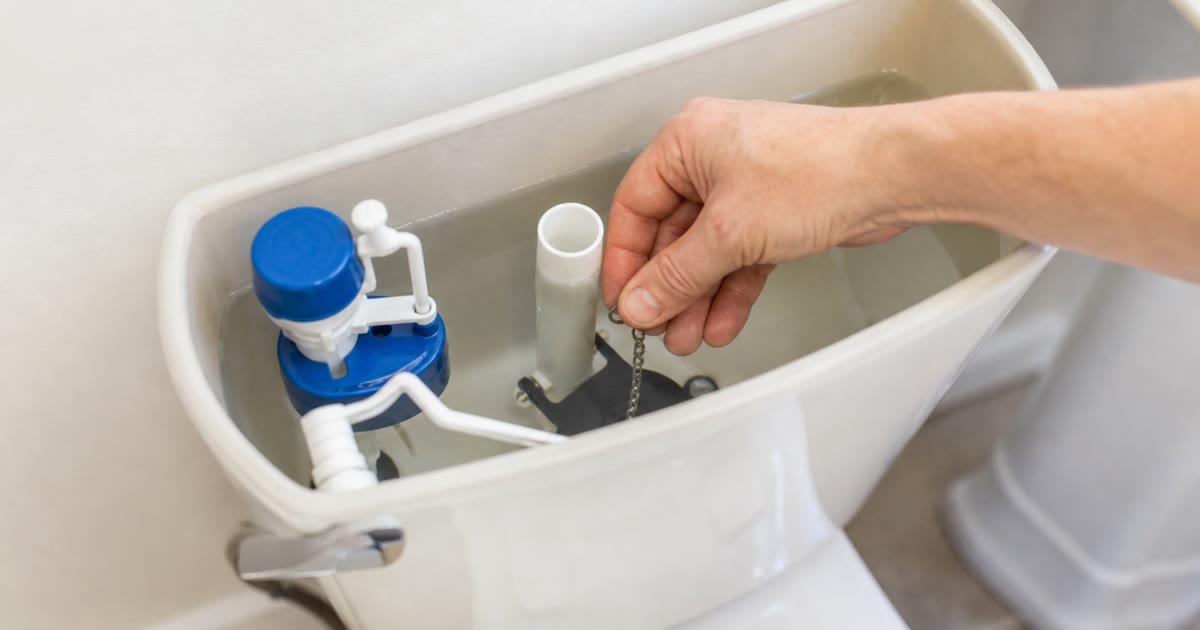
- Loose tank bolts. Water seeps from the tank down around the bolts and drips beside the base.
- A failed wax ring or seal. Water escapes from the drain connection each time you flush and spreads out from the bottom of the toilet.
Here is a simple test. Dry the floor, the tank, the supply line and the base with a towel. Lay a few sheets of dry toilet paper around the toilet. Flush once and watch where the paper gets wet first. Wet paper at the back or near the wall points to the supply line or tank. Wet paper at the very base, mostly after flushing, points to the seal.
Signs the seal at the base has failed
A bad wax ring rarely announces itself loudly. Look for these clues:
- Water around the base after flushing, not between flushes
- A toilet that rocks even slightly
- A sewer smell that is strongest right beside the toilet
- Discoloured, soft or lifting flooring near the base
- A stain on the ceiling below the bathroom, in two-storey homes
If you see a soft floor or a stain below, stop flushing and read the section on subfloor damage further down. Water that escapes under a toilet can hide for a long time.
Why toilets lose their seal in Calgary homes
The wax ring is a simple seal between the toilet and the drain flange. It lasts for years, but a few things shorten its life.
Movement. A toilet that has been rocking even a little will crush and break the seal. Our guide on fixing a wobbly toilet explains how to tighten and shim before it leaks.
Freeze-thaw swings. Alberta winters and sudden chinook warm-ups stress framing and slabs. Over time, that movement can shift a floor by small amounts, especially in older neighbourhoods like Acadia, Bowness and Haysboro.
New flooring. Tile or vinyl added around an old toilet can leave the flange sitting too low. The wax ring then fails to compress properly.
Age. Seals dry out and flatten. In an older Calgary bungalow, the original seal may be decades old.
Do not just caulk the base
This is the most common mistake. A bead of caulk around the toilet base hides the problem, and it can also trap leaking water underneath where you cannot see it.
Caulk is fine as a finish, and some people like it to keep mop water out. But it will not fix a leak from the drain connection. If water is escaping at the base, caulk will only move the leak somewhere less obvious.
How to reseal a toilet: step by step
If you are comfortable with basic tools, resealing is a manageable job. Plan for about an hour and a helper for lifting, because a toilet is heavy and awkward.
You will need: a new wax ring (or a reusable rubber seal), new closet bolts, a putty knife, rags, a bucket, a sponge, gloves and an adjustable wrench.
- Shut off the water. Close the valve behind the toilet. If you are not sure where your main shut-off is, see our guide to finding your main water shut-off valve.
- Flush and drain. Flush once, hold the handle down, then sponge the leftover water out of the tank and bowl.
- Disconnect the supply line. Unscrew it from the bottom of the tank and keep a rag handy for drips.
- Remove the bolt caps and nuts. Pop the covers off the base and undo the nuts. Old rusty nuts may need patience.
- Lift the toilet straight up. Rock it gently to break the old seal, then carry it to a protected spot, ideally on a towel or cardboard.
- Scrape off the old wax. Clean the flange with a putty knife and rags. Stuff a rag in the drain opening to block sewer gas while you work.
- Inspect the flange and floor. The flange should be solid, flat and sitting at floor level or slightly above it. Press around the base area. A soft or spongy floor means water has been getting in for a while.
- Fit the new seal. Place the wax ring on the flange (or on the toilet horn), set new bolts in the slots, and remove the rag.
- Set the toilet down straight. Lower it onto the bolts in one smooth motion and press down firmly. Do not lift it and set it down again, because that breaks the seal.
- Tighten slowly. Alternate sides in small turns. Over-tightening cracks porcelain.
- Reconnect and test. Reattach the supply line, turn the water on, and flush several times. Check around the base with dry tissue.
- Finish. Trim the bolts, add the caps, and add a thin caulk bead only if you want a clean finish.
When the job is bigger than a wax ring
A reseal is simple when the flange and floor are in good shape. It becomes a repair when you find:
- A cracked or broken flange. The ring cannot seal against a damaged surface.
- A flange sitting below the finished floor. It may need a spacer or extender.
- A soft, stained or rotted subfloor. This must be repaired before the toilet goes back, or the new seal will fail again.
- A toilet that is cracked or badly worn. At that point it can make more sense to replace it. Our guide to toilet replacement in Calgary covers the signs and what to expect.
Water inside a wall, a drain line or anywhere beyond the toilet is a different job altogether, and we would point you to a specialized company for it.
What to do while you wait for a repair
If you cannot fix it today, you can limit the damage:
- Close the toilet's shut-off valve and avoid flushing
- Mop up any water right away, including under and behind the toilet
- Run a fan or open a window to dry the area
- Check the ceiling or wall below the bathroom for stains
A few days of a slow leak is usually manageable. Weeks or months of it is how a small seal problem turns into a subfloor repair.
Why many Calgary homeowners hand this one off
Resealing a toilet is not technically hard, but it is messy, heavy and unforgiving. If the toilet is set down crooked, or the flange is damaged, the new seal fails in weeks. Many homeowners in Calgary would rather have it done once and checked properly.
A YOFF technician will lift the toilet, inspect the flange and floor, fit a new seal, set the toilet level and leak-test it before leaving. If the floor needs attention, you will hear it from us before we start. With our No Fix, No Fee policy, you pay for results.
FAQ
Can I just tighten the bolts to stop a toilet leaking at the base?
Sometimes. If the toilet is only slightly loose and the leak is new, tightening the nuts gently and adding shims can help. If the base is still wet after flushing, or you smell sewer gas, the seal has already failed and the toilet needs to come up.
How long does a wax ring last?
There is no fixed number. A properly installed seal can last for many years, but movement, age and a low flange can shorten its life. Replace it any time the toilet is lifted.
Is it safe to use a toilet that leaks at the base?
For a short time, with a small leak, usually yes. But every flush can send water under the toilet, where it can damage flooring and the subfloor. Mop up, avoid heavy use, and get it fixed soon.
Should I use caulk or a wax ring to stop the leak?
A wax ring (or rubber seal) does the actual sealing at the drain. Caulk is only a finish around the outside of the base. Using caulk alone will not stop a leak from the drain connection.
Can a toilet leak at the base and still not wobble?
Yes. A toilet can feel solid and still leak if the seal has dried out, the flange is low, or the toilet was not set down properly. Do the toilet paper test to confirm where the water appears.
Need a hand?
If your toilet is leaking at the base and you would rather not lift it yourself, YOFF Home Services helps Calgary and Alberta homeowners with toilet resealing, repair and replacement. Request a quote and we will take care of it.
Rather have YOFF handle it?
We cover faucets and more across Calgary and nearby communities — booked fast, done right. No Fix — No Fee.