Water Filter Cartridge Replacement Calgary: When to Swap
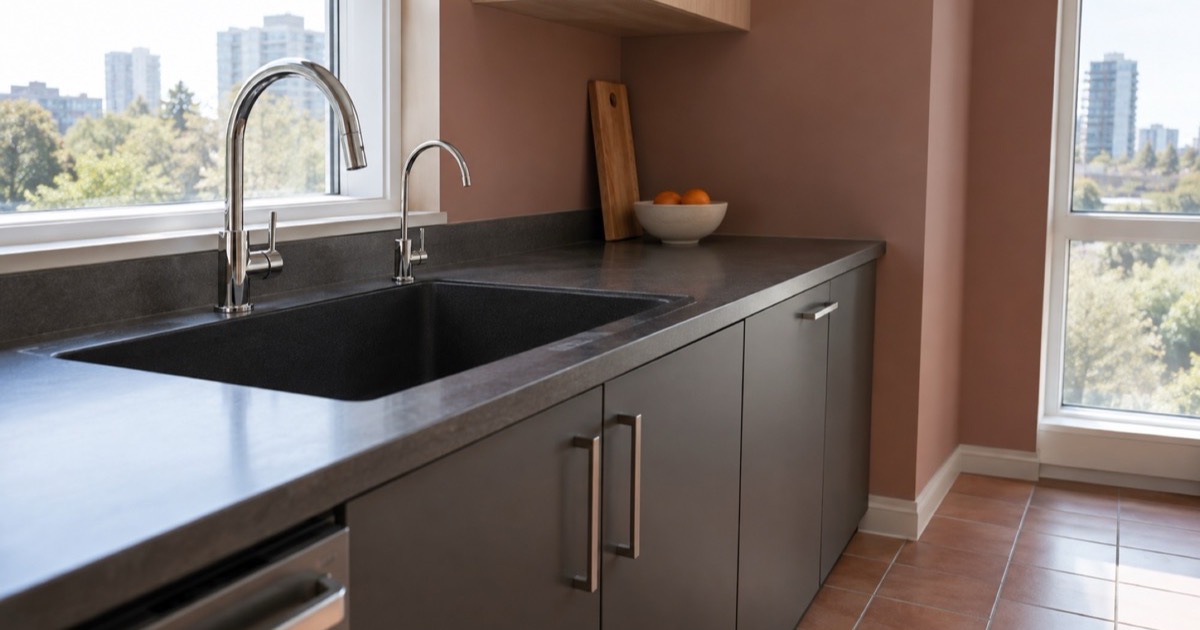
A water filter cartridge does not fail with a bang. It slowly clogs, loses capacity, and one day your kitchen tap in Calgary runs weaker or tastes a little off. Knowing when to change it keeps the filter doing its job and protects the fittings around it. This guide covers the schedule, the warning signs, and what Calgary homeowners should check before and after a swap.
How often should you replace a water filter cartridge in Calgary?
There is no single number for every filter. Many under-sink cartridges are rated for a period of months, while others are rated for a volume of water. Most manufacturers say to change the cartridge at whichever limit you reach first: the time interval, the rated capacity, or a noticeable drop in flow.
The most reliable source is the manual or the cartridge box for your exact model. Look for:
- A time interval. Often listed in months from the day the cartridge was installed.
- A capacity rating. Some cartridges are rated by the amount of water they treat, which a busy household reaches sooner.
- The model number. Replacement cartridges are not interchangeable between brands, so write it down.
A simple habit helps: when you install a cartridge, write the date on a piece of tape and stick it inside the cabinet door. In a busy Calgary family kitchen in a neighbourhood like Brentwood or Falconridge, the cartridge may reach its limit sooner than in a one-person condo in the Beltline.
Calgary water and why it affects your cartridge
According to the City of Calgary, our tap water is hard because the Bow and Elbow rivers carry calcium and magnesium. The city's treatment-plant data put hardness in the range of roughly 140 to 260 mg/L as calcium carbonate, depending on the plant and the year. Calgary water is also disinfected with chlorine during treatment and delivery.
What does that mean for a filter?
- Taste and odour cartridges are commonly used to reduce chlorine taste. Once the carbon is used up, the taste can creep back.
- Sediment cartridges catch particles. In a Calgary home with older water lines, or after nearby water work, they can clog faster.
- Hard water leaves mineral scale. A basic drinking-water cartridge is not the same thing as a water softener, so do not expect it to stop scale on your faucet or kettle.
If hard-water buildup is your main complaint, see our Calgary hard-water faucet guide. If you already use a softener, our water softener maintenance guide covers how that system fits alongside a drinking-water filter.
Signs it is time to change the cartridge
Do not wait for the calendar if the filter is telling you something earlier. Common signs include:
- Weaker flow at the filtered faucet. This is the most common sign. A clogged cartridge restricts water. If flow is weak at every tap in the house, that is a different issue; see our guide to low water pressure at the tap.
- The chlorine taste or smell returns. If your water tasted clean for months and now tastes like a pool, the carbon is likely spent.
- Cloudy or particle-filled water. Stop using the filtered water until you know why.
- Slow fill time. A pitcher or kettle takes noticeably longer to fill.
- An indicator light or reminder. Some systems have a change-filter light; treat it as a prompt, not a guarantee.
- You have passed the date. If you cannot remember when it was changed, change it.
Do not stretch a cartridge to save a few dollars. An overdue filter can restrict flow and stop doing the job you installed it for.
How to replace the cartridge step by step
Every system is different, so follow the manufacturer's instructions first. The general routine for a typical under-sink filter looks like this:
- Gather the right cartridge and any tool that came with the filter, plus a towel and a small bowl.
- Close the filter's shutoff or the cold-water shutoff feeding it, as the manual directs.
- Release the pressure by opening the filtered faucet briefly.
- Place the towel and bowl under the housing. A little water will come out.
- Remove the old cartridge by turning the housing or releasing the clip as the manual describes.
- Check the O-ring and housing. Wipe the seal, look for cracks, and replace the O-ring if the kit includes one.
- Insert the new cartridge straight, seat it fully, and close the housing hand-tight, or as the instructions say.
- Reopen the water slowly and check every visible connection.
- Flush the new cartridge. Many cartridges need to run for a few minutes to clear carbon fines; follow the box.
- Check the cabinet floor after an hour and again the next day.
The most common leak after a cartridge change is a pinched or misplaced O-ring. If you see a drip, shut the water off at the filter and reseat the cartridge before you try anything else. Our kitchen sink cabinet leak-check guide can help you find the source of a slow drip.
Mistakes to avoid when changing a filter
- Buying the wrong cartridge. Check the model number, not just the look of the old one.
- Over-tightening the housing. Cracked housings are a common and avoidable problem.
- Skipping the flush. Black specks from a new carbon cartridge are usually fines that clear with flushing, but follow the manual.
- Forgetting to note the date. Without a record, you will guess next time.
- Ignoring a dripping shutoff valve. If the valve will not close or drips, do not force it. This is a good time to call a YOFF technician.
- Leaving the cabinet full. Heavy bins stacked against the filter make the next change harder and can stress the tubing.
When to call a YOFF technician in Calgary
A cartridge swap is a manageable task for many homeowners. Call a technician in Calgary if:
- The housing is stuck, cracked, or leaks after you reseat it.
- The shutoff valve is stiff, corroded, or drips.
- You have several filters or a multi-stage system and are unsure which cartridge goes where.
- The filter is hard to reach and you would like it moved or reinstalled for easier service.
- The filtered faucet drips or the handle feels loose; we can repair it or replace the cartridge or the whole faucet. Our guide to replacing a faucet cartridge or the whole faucet explains how to decide.
If you are planning a new setup, our under-sink water filter installation guide walks through fit, cabinet space and the leak check.
For work like boilers, water heaters, or lines inside walls, we do not handle those jobs; a specialized company is the right call.
Keep your filter routine simple
A good routine takes two minutes. Put the replacement date on the cabinet door, buy your next cartridge a few weeks before it is due, and glance at the cabinet floor each time you clean the kitchen. In Calgary, where winters are dry and the water is hard, a small habit like this keeps your drinking water tasting right and your cabinet dry.
YOFF Home Services helps Calgary and Alberta homeowners with water filter cartridge replacement, faucet repair, and practical kitchen fixture work. If you would rather have a technician handle the swap and check the connections, request a YOFF quote. No Fix, No Fee.
Frequently Asked Questions
How often should I change my kitchen water filter in Calgary?
Follow the interval and capacity on your cartridge's box or manual. Many under-sink cartridges are changed every several months, but the exact timing depends on the model and how much water your household uses. Change it sooner if flow drops or the taste changes.
Will a water filter cartridge soften Calgary's hard water?
A standard drinking-water cartridge is not a softener. It is mainly used for taste, odour and particles. If scale on faucets and kettles is your main concern, look at a softener or an anti-scale option designed for that purpose.
Why is my filtered water flow slow after changing the cartridge?
The new cartridge may not be fully seated, the shutoff may not be fully open, or the cartridge may need a flush to clear trapped air. Reseat it, open the valve completely, and run the water for a few minutes. If flow stays weak, a technician can check the lines.
Is it normal to see black specks after a change?
With some carbon cartridges, yes. Fine carbon particles can appear during the first flush. Run the water as the instructions say. If particles keep showing up, stop using the water and contact the manufacturer or a technician.
Can YOFF replace my filter cartridge in Calgary?
Yes. A YOFF technician can swap the cartridge, check the O-ring and connections, test the filtered faucet, and look over the cabinet for any moisture before leaving.
Rather have YOFF handle it?
We cover faucets and more across Calgary and nearby communities — booked fast, done right. No Fix — No Fee.