How to Protect Exposed Basement Pipes Before a Calgary Winter
An exposed water line in a cold basement corner can be easy to miss—until a Calgary cold snap turns it into an urgent problem. A quick autumn check gives you time to block drafts, add insulation, and find a small leak before winter makes it worse.
Start with a slow basement walk-through
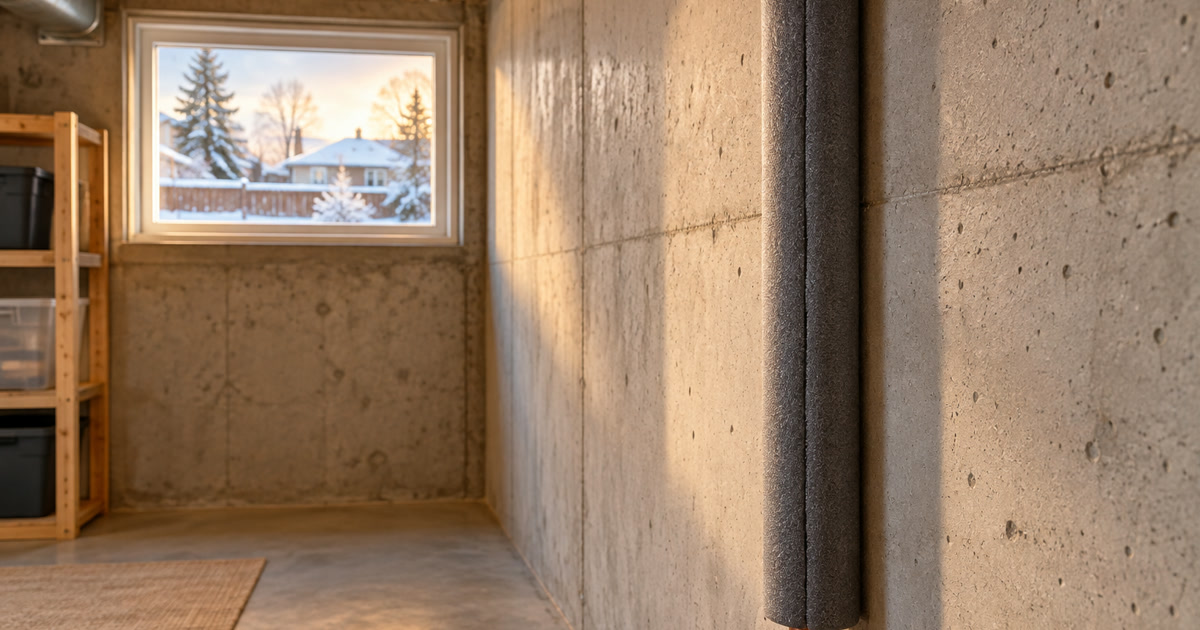
Look for supply lines along exterior foundation walls, beside basement windows, in utility rooms, and near the ceiling of an attached garage. Older homes in Acadia, Haysboro, and parts of Bowness can have pipe runs that were finished around rather than fully protected from cold air. Newer homes can have vulnerable spots too, especially where a line passes through an unfinished storage area.
Bring a flashlight and check for:
- Bare copper, PEX, or other water lines in an unheated or drafty space.
- A line that feels noticeably colder than the room around it.
- Gaps around pipe penetrations, window frames, or the rim joist.
- Drips, white mineral marks, or damp insulation below a fitting.
- Water lines close to an exterior wall behind a bathroom, kitchen, or laundry area.
The City of Calgary advises insulating water pipes in cold areas and sealing cold-air leaks around the home. That makes an early fall inspection a sensible part of winter home maintenance—not a task to leave for the first deep freeze.
Insulate the pipe, then stop the draft
Foam pipe sleeves are a straightforward DIY option for an accessible, straight section of water line. Choose sleeves sized for the pipe, close the seam fully, and tape joints where needed so cold air cannot slip between sections. Do not force insulation over a leaking fitting; first identify the source and arrange an appropriate repair.
Insulation works best when the surrounding space is not being fed cold outdoor air. In the basement, check the gap where the pipe enters through a wall, the edge of a basement window, and any unsealed opening around cables or ducts. Use a suitable indoor sealant for small gaps, following the product directions and keeping clearance around equipment that needs ventilation.
For a garage-adjacent room, close the garage door promptly and make sure the door weatherstrip is in good condition. A warm chinook does not remove the risk: temperatures here can swing quickly, so a pipe that is safe during the afternoon may sit in a cold pocket overnight.
Help warm air reach the vulnerable area
The City of Calgary also recommends keeping the home heated and opening interior doors or cabinet doors when needed so warm air can reach exposed lines. In practice, that can mean:
- Keeping the thermostat steady when a cold period is forecast instead of setting it far back overnight.
- Leaving the utility-room door open if the room relies on air from the rest of the basement.
- Opening a sink cabinet on an exterior wall during a severe cold snap.
- Moving boxes, furniture, and storage bins away from heating vents and from the pipe itself.
- Checking that basement windows close and latch properly before winter arrives.
Never use an open flame to warm a pipe. If a pipe seems frozen, use only a gentle, supervised heat source that is suitable for indoor use and keep it clear of combustible materials. If there is a leak or burst, turn off the water at the main shut-off first, then get help.
Know when a handyman visit makes sense
Simple pipe protection is often a weekend job, but a handyman can help when access or the surrounding repair is the real obstacle. Our technician can insulate accessible pipe runs, seal minor draft paths around pipes and basement windows, replace worn weatherstripping, and walk you through a practical cold-weather checklist for the space.
A hidden leak, a damaged line inside a wall, or a repair beyond the visible, accessible area is a job for a specialized company. Acting early protects your home and avoids guessing during a deep freeze.
Related Calgary Home Guides
- Basement Water Seepage Calgary: 7 Early Warning Signs
- Ice Dam Prevention in Calgary: Protect Your Roof Before Winter
- How to Prepare Your Backyard Shed for a Calgary Winter
Frequently Asked Questions
At what temperature do basement pipes freeze?
There's no single number, because it depends on how cold the air around the pipe gets and for how long. A pipe near a drafty wall, window or garage can freeze during a Calgary cold snap even when the rest of the basement feels warm. That's why blocking drafts matters as much as insulating.
Is foam pipe insulation enough to stop pipes from freezing?
Foam sleeves help a lot on accessible, straight runs, but they work best when the cold air source is also sealed. Close the seams, tape the joints, and seal gaps around pipe penetrations and basement windows.
Should I leave cabinet and utility-room doors open in winter?
During a severe cold snap, yes. The City of Calgary recommends keeping the home heated and opening interior or cabinet doors so warm air can reach exposed water lines.
What should I do if a basement pipe freezes?
Never use an open flame. If there's a leak or burst, turn off the water at the main shut-off first. If the pipe is only frozen, use gentle, supervised heat that's safe indoors, or call for help if you can't reach it safely.
A small checklist now can prevent a big winter mess
Before temperatures fall, walk your basement, insulate accessible water lines, seal obvious drafts, and make sure warm air can circulate. It is a simple routine that pairs well with disconnecting outdoor hoses and checking the main shutoff.
Have exposed pipes in a drafty utility room or along a cold foundation wall? Book YOFF pipe insulation and draft sealing anywhere in Calgary. Request a free quote and get the small winter-prep tasks handled before the weather changes again.
Rather have YOFF handle it?
We cover seasonal and more across Calgary and nearby communities — booked fast, done right. No Fix — No Fee.