Rodent-Proofing Your Calgary Home: Seal Entry Points by Fall

The first cool nights of late August are when it starts. As temperatures drop, mice begin scouting Calgary neighbourhoods for a warm place to spend the winter — and your house is the top candidate. A mouse can squeeze through a gap the width of a pencil, and most homes have more of those gaps hiding in plain sight than their owners realize.
The good news: rodent-proofing is mostly a handyman job, not a pest-control job. Seal the entry points, and the mice never get in to begin with. Here's how to do it yourself, what to look for around a Calgary home, and when it's worth calling someone.
Why Calgary homes are an easy target in late summer
Alberta's long winters make indoor warmth irresistible to mice. When Calgary nights dip toward single digits in late August and September, mice in every neighbourhood — from Brentwood and Haysboro to Acadia and Falconridge — start pressing against foundations, siding, and door sweeps looking for a crack. Once inside, a single breeding pair can multiply fast through the winter, and the damage goes well beyond gnawed cereal boxes: chewed wiring is a real fire hazard.
Calgary's housing stock gives them plenty of routes in. Older inner-city homes in Inglewood, Bowness, and Mount Pleasant have settled foundations, worn door sweeps, and utility penetrations that have been open for decades. Newer communities like Mahogany and Nolan Hill aren't immune either — mice follow the same gaps around gas lines, vents, and garage doors.
Where mice actually get in: the entry-point checklist
You don't need to be an exterminator to spot the problem. Walk the outside of your Calgary home with this checklist and mark every opening, no matter how small:
- Garage door bottom seal. The rubber strip under the door wears out, and the gap at the corners is one of the most common entry points in any garage.
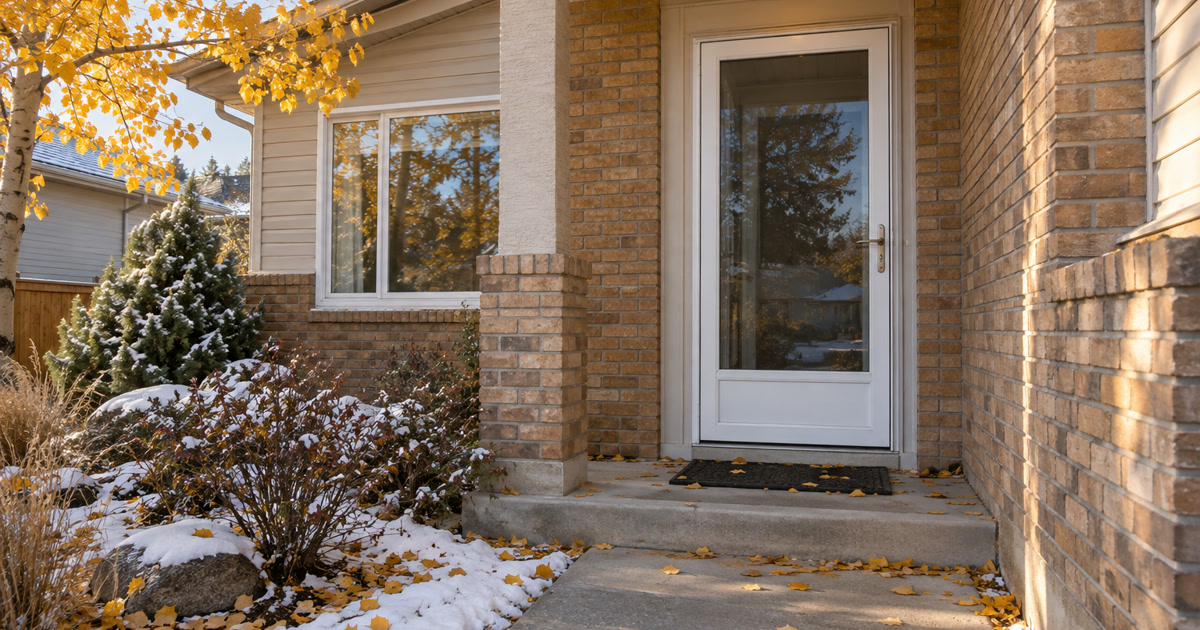
- Door sweeps and thresholds. Front, back, and side doors lose their sweep over time. If you can see daylight under a closed door, a mouse can get through.
- Utility penetrations. Where the gas line, air conditioner lineset, cable, or internet enters the house — often loosely sealed with caulk that has cracked.
- Foundation vents and weep holes. Small openings that need screens, not wide-open gaps.
- Siding and trim gaps. Corners and joins where vinyl or wood siding has pulled slightly away from the wall.
- Roofline and soffit gaps. Mice climb brick and stucco surprisingly well; an open soffit corner is an open door.
- The crawlspace or rim joist. In older Calgary homes the rim joist area in the basement is a patchwork of small holes around pipes and wiring.
How to seal each entry point (the handyman way)
The principle is simple: mice can't chew through steel or properly applied sealant the way they can through foam or soft plastic. Here's what actually works, done the way our technician does it.
1. Seal small gaps with the right materials
For cracks up to about a quarter inch, a quality exterior-grade caulk or silicone does the job. For anything larger, back the gap with steel wool or copper mesh first, then seal over it with caulk or foam. The metal is what stops the teeth — mice will chew straight through plain spray foam and use it as bedding.
2. Replace worn door sweeps and garage seals
A new door sweep costs a few dollars and takes minutes, but it closes the most-used entry point in a Calgary home. For the garage, replace the bottom seal when it's cracked, curled, or no longer touching the floor at the corners — the two spots mice find first.
3. Screen vents and close utility penetrations
Cover foundation and soffit vents with metal mesh, and re-seal the wall openings around gas lines and AC linesets where the old caulk has shrunk (seal the gap in the siding only; never disturb the gas pipe or its fittings). This is also the moment to check the weep holes in brick veneer — they need small screens or weep-hole covers, not solid caulk, so the wall can still drain.
4. Walk the foundation and siding
Use a caulking gun on cracks in the foundation and any gaps where siding has pulled loose. In Calgary, freeze-thaw cycles open these cracks wider every year, so a gap you sealed two years ago may be back.
5. Tidy the perimeter (it helps more than you'd think)
Mice hide in what's stacked against your house. Firewood, lumber, and dense shrubs against the foundation create covered runways straight to an entry point. Keep firewood off the ground and a few feet from the wall, and trim shrubs back from the siding.
DIY or call a Calgary handyman?
Most of this is weekend DIY. But there are times when calling YOFF is the smarter call:
- You have gaps you can't safely reach — high soffits, second-storey corners, or a steep roofline.
- The garage door seal is beyond a simple strip — a bent track or uneven floor means the seal will never sit right until it's fixed.
- You've sealed what you can see and still find signs of mice — the entry point is hidden, and a pro's eye finds it faster.
- You want the whole perimeter done properly in one visit before the weather turns.
Sealing entry points is handyman work — caulking, weatherstripping, door sweeps, mesh, and garage seals. No pest contract, no poison, just closing the door before the mice walk through it.
Related Calgary Home Guides
- Asphalt Driveway Sealing in Calgary: Fall Crack Repair Guide
- How to Clean and Seal a Wood Deck: A Calgary Homeowner's Guide
- Exterior Caulking in Calgary: Fall Guide to Sealing Small Gaps
Frequently Asked Questions
How small a gap can a mouse get through?
A mouse can squeeze through a gap about the width of a pencil. That is why worn door sweeps, garage door corners, and cracked caulk around utility lines are such common entry points. If you can see daylight under a closed door, a mouse can likely get in.
What is the best material to seal mouse holes?
For cracks up to about a quarter inch, exterior-grade caulk or silicone works well. For larger gaps, pack steel wool or copper mesh in first, then seal over it. Mice chew straight through plain spray foam, so it should never be used on its own.
When do mice start coming into Calgary homes?
Mice start looking for a warm way in as nights cool down in late August and September. That makes late summer and early fall the best time to seal entry points, before the colder weather arrives.
Should I seal the weep holes in my brick?
No. Weep holes let moisture drain out of the wall, so they should stay open. Fit them with small screens or weep-hole covers instead of filling them with caulk.
The bottom line
The window to rodent-proof a Calgary home is late August through September, before the nights turn cold and the mice start moving in earnest. Walk the perimeter, find the gaps, seal them with steel and caulk, and you'll skip the scratching-in-the-walls season entirely. It's one of the cheapest forms of home insurance there is — and it's a lot less trouble than a winter of traps and chewed wiring.
Want the whole perimeter sealed before the cold sets in? Our technician can replace worn door sweeps and garage door bottom seals, pack and seal gaps around utility lines, and screen vents and weep holes in one visit. Book your rodent-proofing visit with YOFF.
Rather have YOFF handle it?
We cover seasonal and more across Calgary and nearby communities — booked fast, done right. No Fix — No Fee.