Sliding Patio Door Maintenance Calgary: Stop Sticking, Drafts, and Track Damage
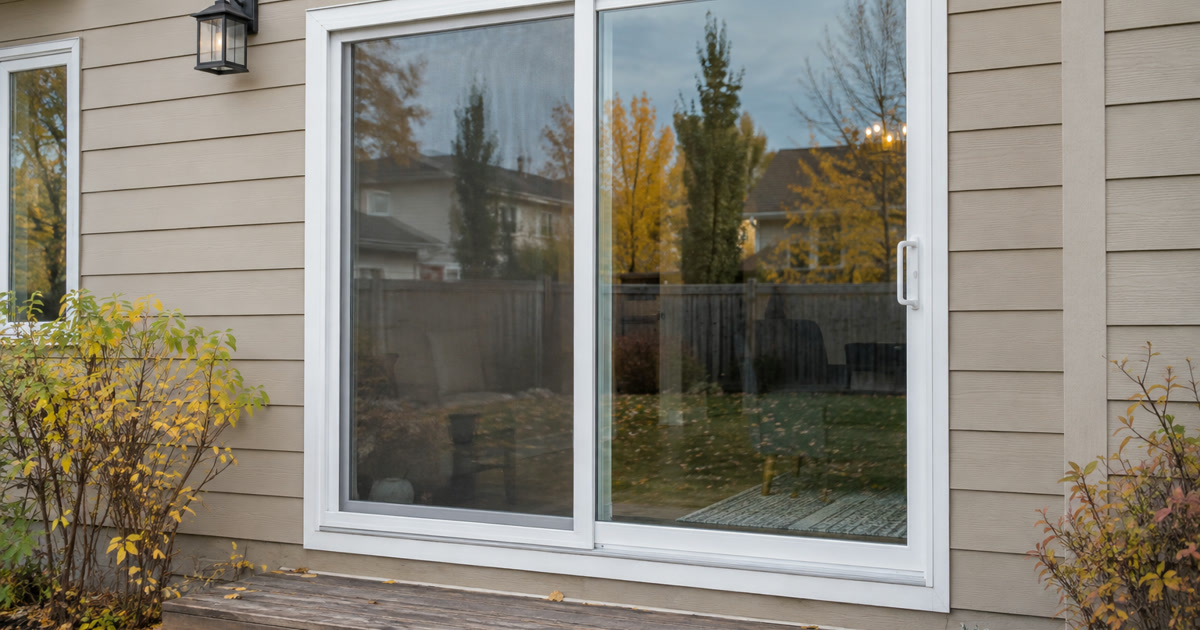
A sliding patio door should move with one hand—not scrape, shudder, or leave a cold draft at your feet. In Calgary, grit from chinook winds, spring moisture, and a long Alberta winter can all collect where the door rolls. A simple seasonal check can make the door easier to use and reveal small problems before a roller, latch, or seal fails.
Start with the track, not the adjustment screws
When a patio door sticks in a Calgary home, the temptation is to reach for the adjustment screws. Start with cleaning instead. Sand, pet hair, small stones, and dried leaves can sit in the bottom track and make a healthy door feel heavy.
- Open the door fully and vacuum the entire lower track, including the corners.
- Use a soft brush or an old toothbrush to loosen packed debris.
- Wipe the track with a damp cloth and a small amount of mild dish soap, then dry it completely.
- Check the exterior weep holes—the small drainage openings at the sill. Clear them gently with a plastic zip tie or soft brush; do not enlarge them with a drill or metal pick.
For Calgary patios that collect windblown debris, this is a useful monthly habit through fall. In areas such as Acadia, Haysboro, and Brentwood, a door facing an exposed yard or alley may need attention sooner than one under a covered deck.
Check what is rubbing
After cleaning, slide the door slowly and watch where it resists. That tells you more than forcing it open ever will.
- Rubbing at the bottom: debris in the track, worn rollers, or a door sitting too low.
- Rubbing at the top or side: a shifted frame, loose hardware, or a panel that is out of square.
- A rough, clicking motion: a damaged roller or a dented section of track.
- A smooth slide but a weak lock: the latch and strike plate may no longer line up.
Calgary freeze-thaw cycles can make small alignment changes more noticeable over time, particularly around older homes in communities like Bowness, Forest Lawn, or Canyon Meadows. The goal is not to force the panel back into place; it is to find the reason it is rubbing.
Lubricate sparingly—and use the right product
Clean tracks generally work better dry. Grease and heavy oil collect Calgary dust and turn it into abrasive paste. If the rollers still feel dry after cleaning, use a small amount of silicone-based lubricant rated for doors and windows, applied to the roller area according to the product directions—not poured into the entire track.
Avoid these shortcuts:
- Do not coat the track in thick grease.
- Do not use a petroleum product on rubber weatherstripping.
- Do not spray lubricant directly onto the glass, lock, or painted frame.
- Do not keep adding lubricant if the door is grinding; worn rollers need diagnosis, not more spray.
In Alberta's dry, dusty conditions, less lubricant is usually more useful than a shiny track.
Inspect the weatherstripping before cold weather arrives
The flexible seal around a sliding door does more than block a visible gap. It helps keep drafts, dust, and wind-driven moisture out of the house. Before Calgary temperatures drop, close the door and look for flattened, torn, loose, or missing sections of weatherstripping.
Try this quick check: close and lock the door, then look for daylight around the perimeter from indoors. You can also move a thin sheet of paper at several points along the closed door. If it slides out with no resistance everywhere, the seal or alignment may need attention.
Do not use expanding foam inside the moving door frame. It can interfere with drainage and make a later repair much harder. A Calgary handyman can replace compatible weatherstripping, realign a strike plate, and assess whether the rollers are causing the gap.
Clear the exterior sill and drainage path
Your patio door's sill needs a route for rain and snowmelt to escape. Keep soil, mulch, deck debris, and snow from building up directly against the threshold. This matters during Calgary chinooks, when melting snow can run toward the door and then refreeze overnight.
Check the exterior side for:
- leaves or gravel blocking the sill channels;
- a door mat that traps water against the frame;
- caulking that covers designed drainage openings;
- a deck board, paver, or landscaping edge sitting too high against the threshold;
- recurring water marks inside the lower frame.
If water appears inside after a storm, stop treating it as a cleaning problem. Water can travel from surrounding flashing, siding, or a patio grade issue. In Calgary and elsewhere in Alberta, that is worth addressing before repeated moisture damages trim or flooring.
A safe DIY adjustment—and when to stop
Many sliding patio doors have small roller-adjustment screws near the lower edge of the moving panel. A tiny turn can raise or lower the door enough to improve a mild rub. Check the manufacturer instructions first, mark the starting position, and make only a quarter-turn at a time on each side.
Stop and call for help if:
- the glass panel feels loose, cracked, or difficult to control;
- the door has dropped suddenly or will not stay on its track;
- you see a bent track, damaged frame, or corrosion around the sill;
- the lock will not engage after a basic adjustment;
- there is water intrusion, soft flooring, or swollen trim;
- lifting the panel is required to access rollers.
Large glass panels are awkward and heavy. Removing one is not a one-person Calgary weekend project. A handyman can handle routine track cleaning, weatherstripping, latch alignment, and minor adjustments; significant glass, structural, or water-entry problems may need the appropriate specialist.
A 15-minute Calgary patio-door routine
Put this on your fall home-maintenance list, ideally before Calgary's first sustained cold spell:
- Vacuum and wipe the interior track.
- Clear exterior sill channels and weep holes.
- Inspect the weatherstripping and door sweep.
- Test the latch from inside and outside.
- Look for daylight, drafts, or water marks.
- Slide the panel slowly; note any new scrape, click, or wobble.
This small routine helps a Calgary patio door survive the season with fewer surprises—and keeps an Alberta home's indoor comfort where it belongs.
Make the door easy to use again
A sticking patio door is often a maintenance job, but ignoring it can wear down the track and rollers. If your Calgary sliding door still drags after a thorough clean, has a persistent draft, or will not lock properly, YOFF can help with practical handyman work, including track cleaning, weatherstripping and minor door adjustments. Contact YOFF for help in Calgary and nearby Alberta communities.
Rather have YOFF handle it?
We cover seasonal and more across Calgary and nearby communities — booked fast, done right. No Fix — No Fee.