Door Threshold Replacement Calgary: Stop Snow Drafts
You wake up after a Calgary snowstorm and find a little drift of snow sitting inside the front door. Or the floor near the entry is ice-cold even though the furnace is running. Nine times out of ten, that's a worn door threshold, and no amount of draft-stopper towels will fix it for good.
Here's how to tell if your threshold needs replacing, what the job involves, and when it's smarter to hand it to a technician.
What a Door Threshold Actually Does
The threshold is the strip of wood, aluminum or composite at the bottom of an exterior door opening. It does three jobs:
- Gives the door sweep or bottom seal something to press against.
- Blocks wind, snow and meltwater from getting under the door.
- Covers the gap between your floor and the door sill.
In Calgary, that's a tough assignment. Winter temperatures swing hard, and a chinook can take a doorstep from deep freeze to slush in a single afternoon. Repeated freezing and thawing at the base of a door is rough on every material down there.
Signs Your Threshold Is Worn Out
Look for these on a bright day, then again after dark:
- Daylight under the door. Close the door and turn off the hall light. Any glow along the bottom means air is getting through.
- Snow or water on the inside. Drifting snow at the entry after a blizzard, or puddles after a chinook melt, point to a failed seal or a sagging threshold.
- A cold, drafty floor. Hold your hand low near the door on a windy day. A steady stream of cold air is a clear sign.
- Visible damage. Cracked wood, a dented or bent aluminum strip, a rubber insert that's flattened or missing, or a threshold that rocks when you step on it.
- Frost on the inside edge. Frost or ice forming along the bottom of the door in January means warm indoor air is meeting a cold gap.
- A door that drags or sticks. Sometimes the threshold has shifted or swollen. If that sounds familiar, see our guide on fixing sticking or misaligned doors.
Sweep, Weatherstripping or Threshold: Which One Do You Need?
Not every draft means a new threshold. Work from cheapest to most involved:
- Door sweep. A strip on the bottom of the door itself. If it's cracked, brittle or torn, replacing the sweep is a quick fix.
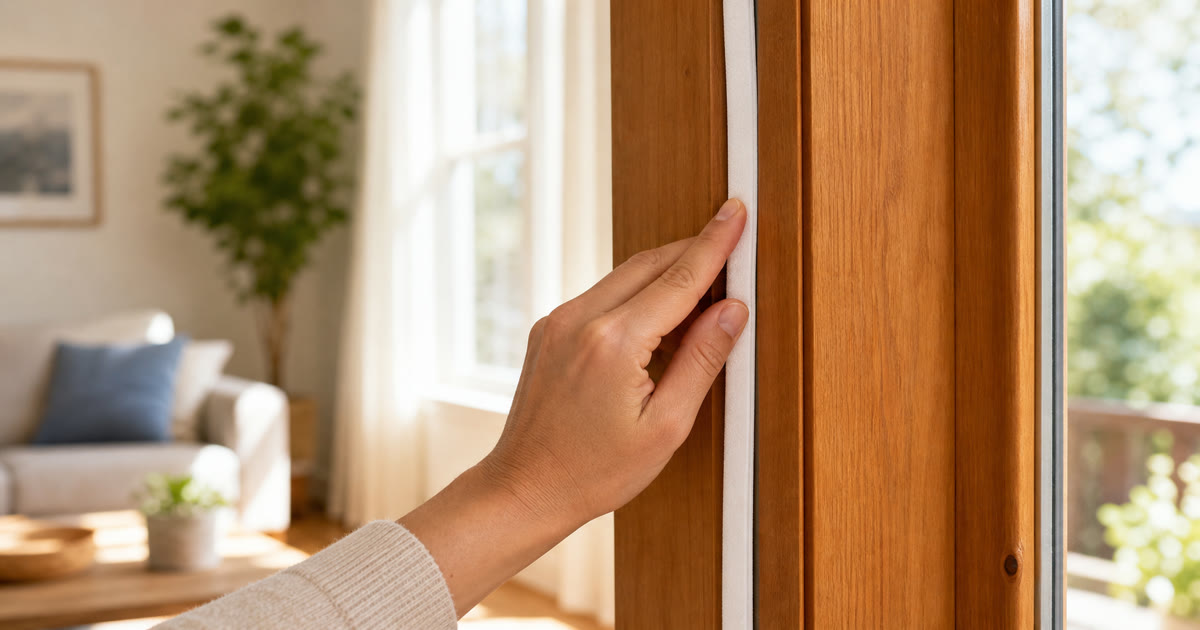
- Weatherstripping around the door. Gaps at the sides and top let air in too. Our guide to weatherstripping in Calgary covers how to test and replace it.
- Adjustable threshold. Many modern thresholds have screws that raise or lower the top cap. Turning them can close a small gap without replacing anything.
- Full threshold replacement. Needed when the threshold is cracked, rotted, bent, loose, or the gap is too big for a sweep to cover.
Rule of thumb: if the sweep is fine and the draft is still there, the threshold is the culprit.
Choosing a Replacement Threshold
Threshold types vary, so measure before you shop.
- Aluminum with a vinyl insert. Common on modern entry doors in newer Calgary neighbourhoods. Durable and low-maintenance.
- Wood. Seen in older homes in areas like Acadia, Haysboro or Bridgeland. Looks good, but it needs paint or stain to resist moisture.
- Composite or PVC. Won't rot, which suits a door that gets snow and meltwater.
- Adjustable-height thresholds. Easier to fine-tune the seal over the years.
Measure the width of the door opening, the depth of the sill, and the gap between the door bottom and the floor. Take the old threshold with you or snap a photo so the new one matches. Exterior doors on older homes sometimes have odd sill profiles, and a standard threshold won't always fit without trimming.
How a Threshold Replacement Is Done
This is a manageable job for a handy homeowner, but it takes patience. Here's the general process:
- Remove the door if needed. On many doors you can slip the new threshold in with the door in place; others need the door lifted off its hinges.
- Pull out the old threshold. Cut through any caulk with a utility knife, remove the screws, and pry gently. Older ones can be nailed or glued down.
- Check what's underneath. This is the important step. Pulling the threshold can reveal soft, stained or rotted wood in the sill or subfloor. A new threshold won't fix rot. Repair the damaged area first.
- Dry-fit the new threshold. Trim it to length if needed and confirm it sits flat with no rocking.
- Seal the bed. Apply a bead of exterior-grade sealant under the threshold edges so water can't track beneath it.
- Fasten it down. Screw it in place, keeping screws square and snug without bending the aluminum.
- Adjust and test. Close the door. If the threshold is adjustable, raise or lower the cap until the sweep makes light, even contact. Run the light test again.
- Finish the edges. Caulk the joints where the threshold meets the frame and floor. For caulking tips, see our exterior caulking guide for Calgary.
A common mistake is setting the threshold too high. The door will drag, and the sweep will wear out fast. Aim for a seal that holds gently without pinching.
When to Call a Technician
You can handle a straightforward swap. Call a YOFF technician in Calgary if:
- You find rot, mould or soft wood under the old threshold.
- The sill is out of level or the door frame has shifted.
- The door still drags or won't latch after the swap.
- It's a steel or fibreglass door with a sill profile you can't easily match.
- You'd rather not take a door off its hinges in the middle of winter.
A technician can pull the old threshold, check the sill, fit the right replacement, seal it and adjust the door so it closes properly. If the door itself is out of square, we can fix that during the same visit. It's a typical handyman job, and one that's easy to get wrong the first time.
Why Fall Is the Best Time
Replacing a threshold in the shallow cold of October or early November is a lot easier than doing it at -25°C with a door open. Sealant cures better, and you're not heating the whole street while the job is done. If you notice drafts now, handle them before the deep freeze arrives.
While you're at it, look at your other entry points. Gaps around doors and foundations also let mice in, which we cover in our guide to rodent-proofing and sealing entry points in Calgary.
FAQ
How long does a door threshold last? There's no fixed lifespan. Aluminum and composite thresholds often last many years, while wood thresholds in busy Calgary entries wear faster because of moisture and foot traffic. Replace it when it's cracked, loose or no longer sealing.
Can I just replace the door sweep instead? If the sweep is the worn part, yes. But if the threshold is damaged, bent or sagging, a new sweep won't seal properly. Test by checking for light under the door after replacing the sweep.
Why does snow blow under my door during Calgary storms? Strong prairie wind pushes snow through any gap at the bottom of the door. A worn threshold, a torn sweep or a door that doesn't sit evenly on the sill are the usual causes.
Is a door threshold replacement a weekend DIY job? Often, yes, if the sill under it is sound. Rot, an uneven sill or a stubborn old threshold can turn it into a bigger repair. When in doubt, ask a technician to take a look.
Can YOFF replace my door threshold in Calgary? Yes. Our technicians handle door threshold replacement, door adjustments and weatherstripping across Calgary. Request a visit and we'll look at the whole door, not just the threshold.
Stop the Draft Before the Deep Freeze
A worn threshold lets snow, cold and wasted heat into your Calgary home all winter. Replace it properly, and your entry stays warmer, drier and easier to live with. If you'd rather skip the pry bar, send YOFF a message and a technician will take care of it, with our No Fix, No Fee guarantee behind the work.
Rather have YOFF handle it?
We cover seasonal and more across Calgary and nearby communities — booked fast, done right. No Fix — No Fee.